Architectural renovation
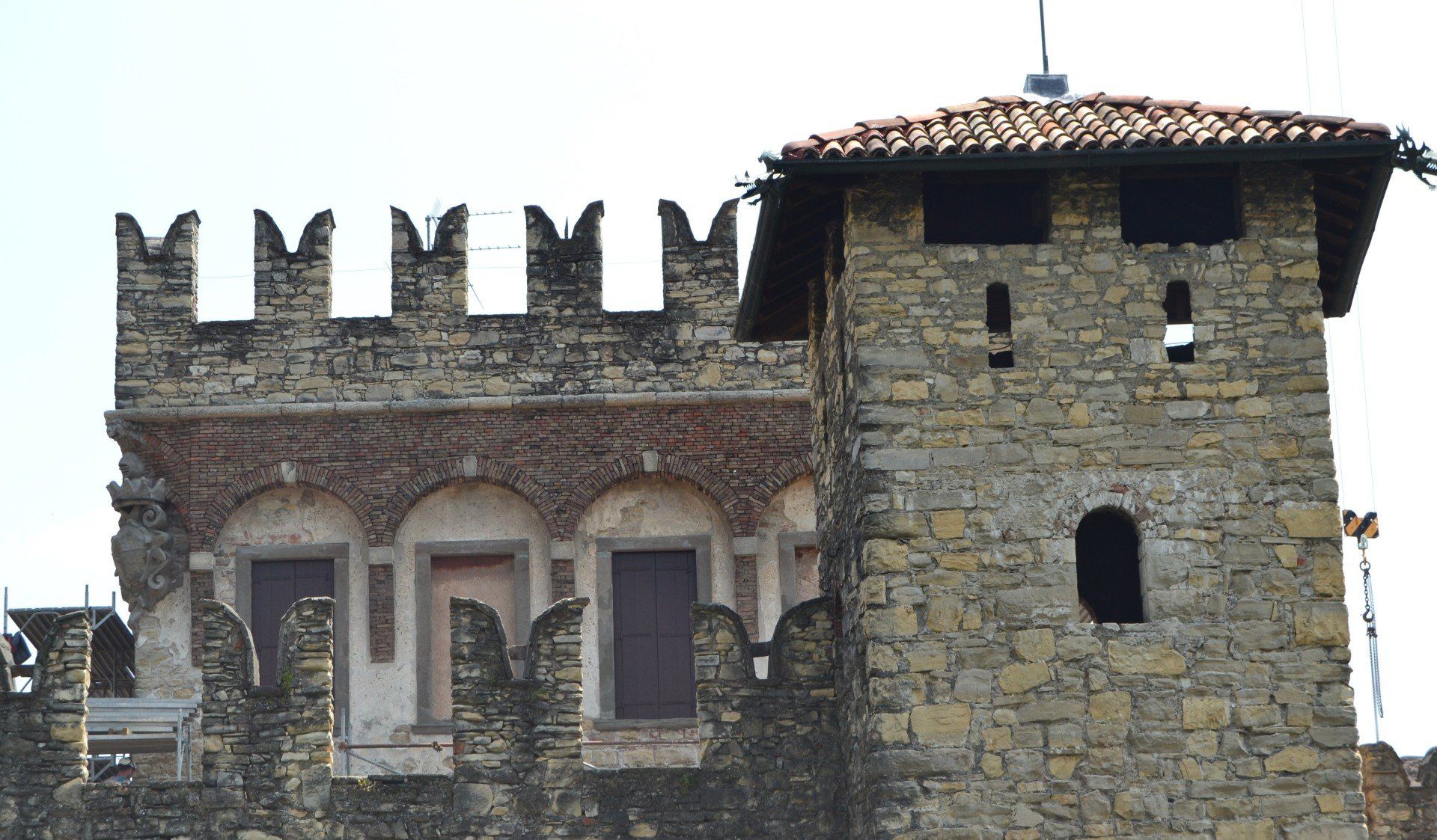
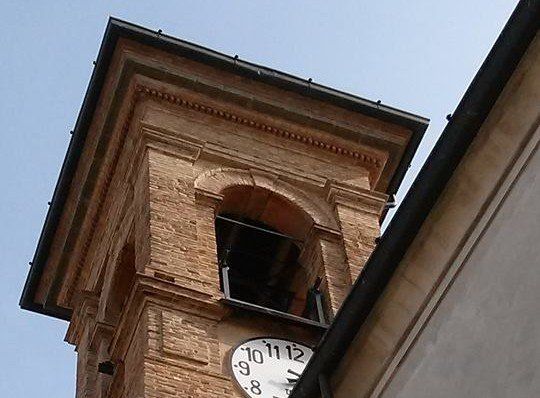
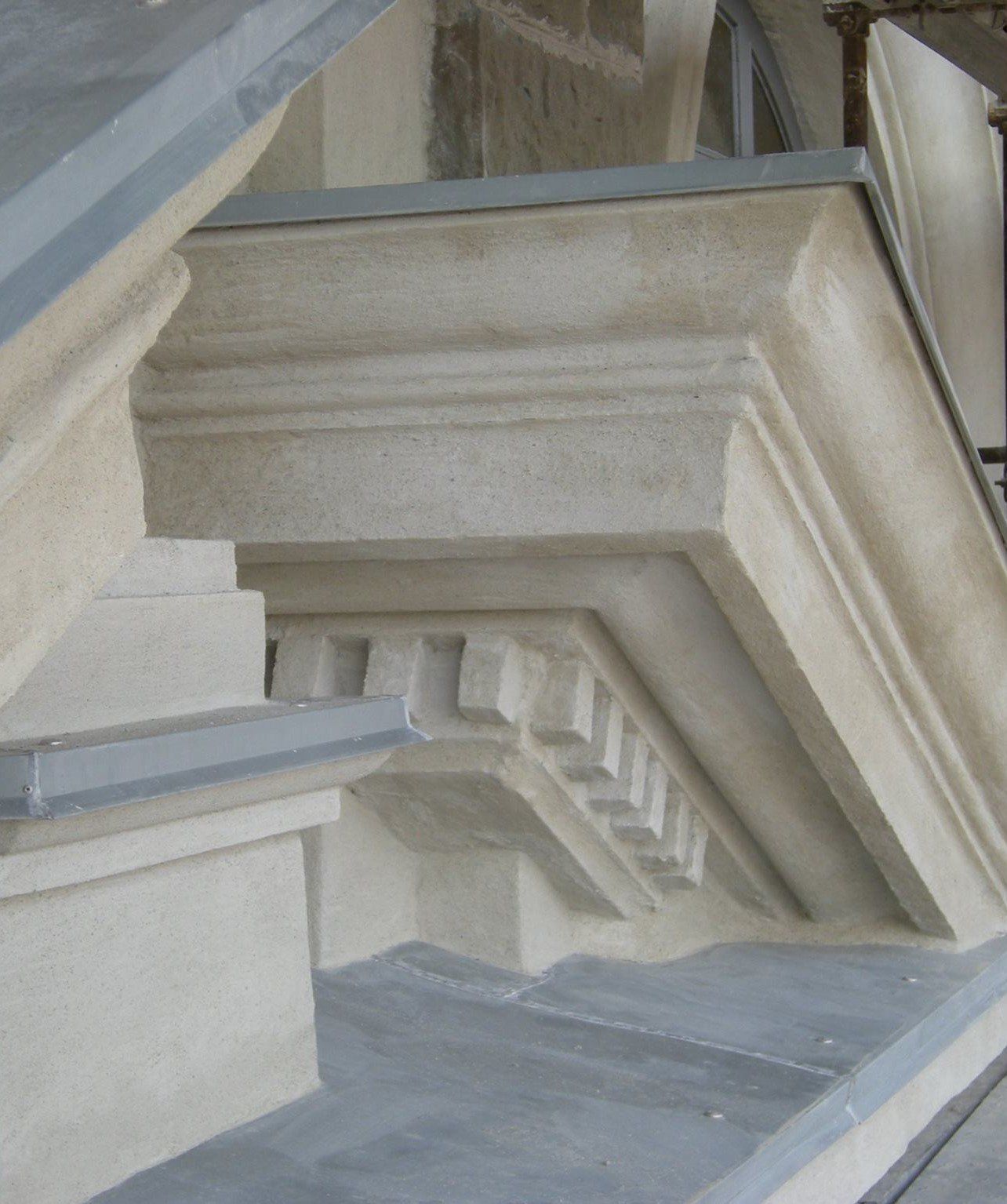
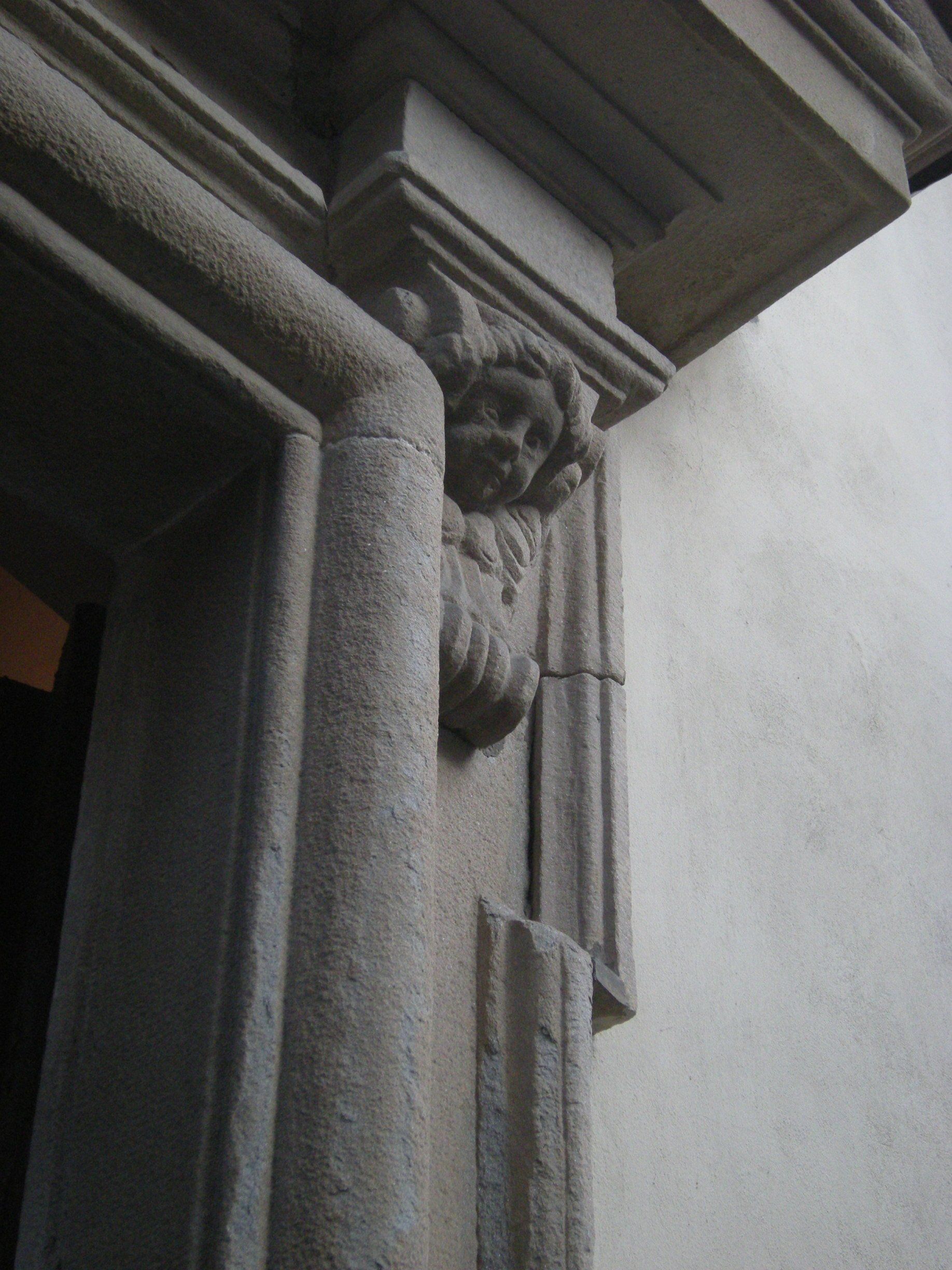
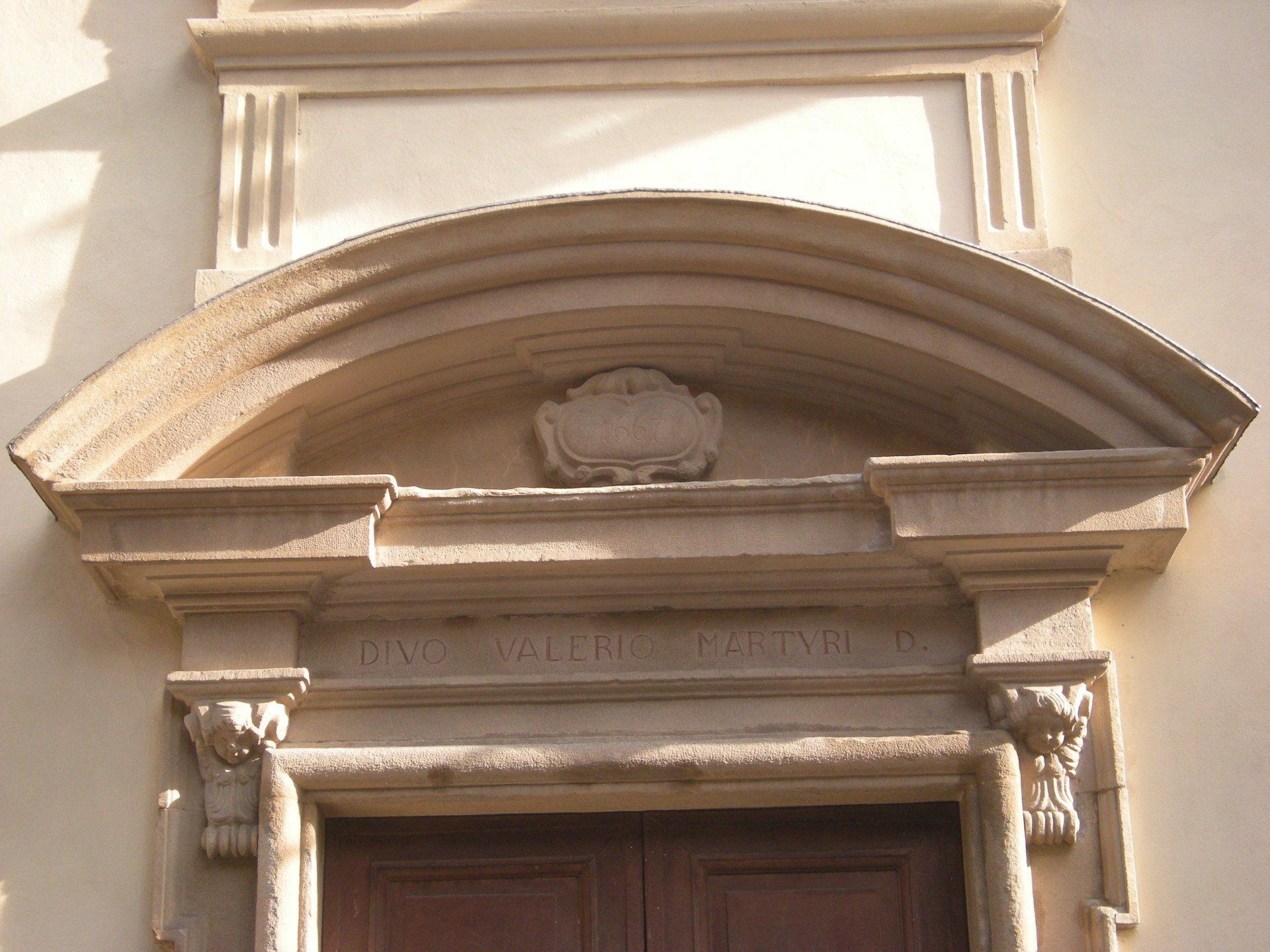
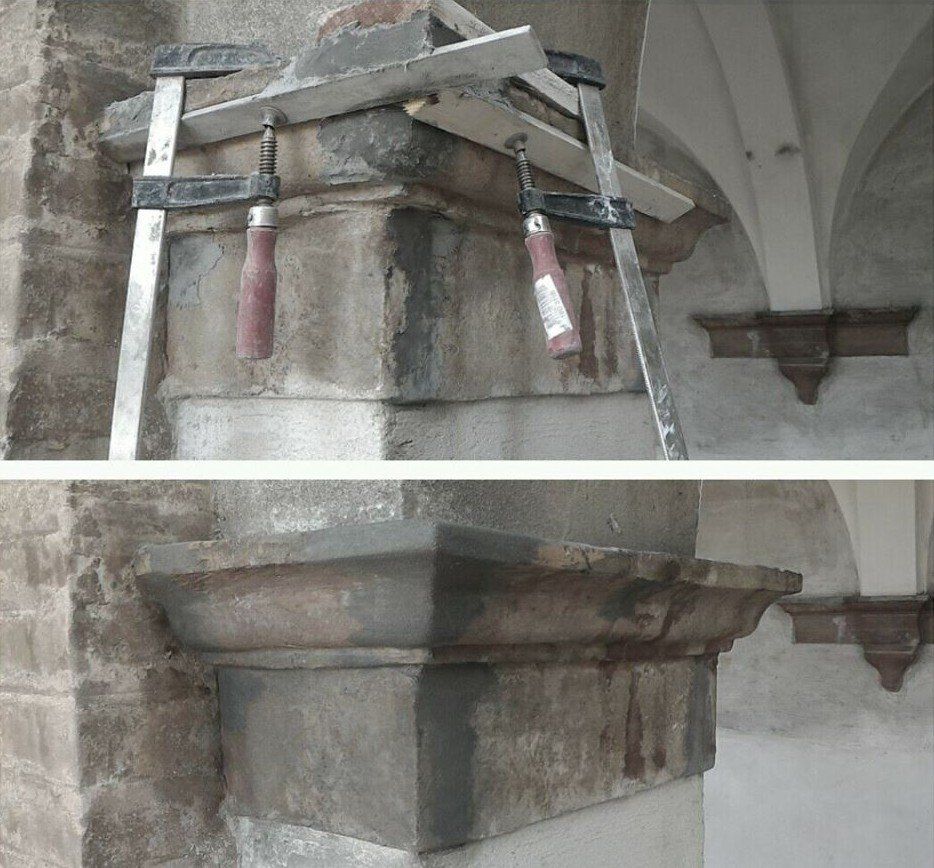
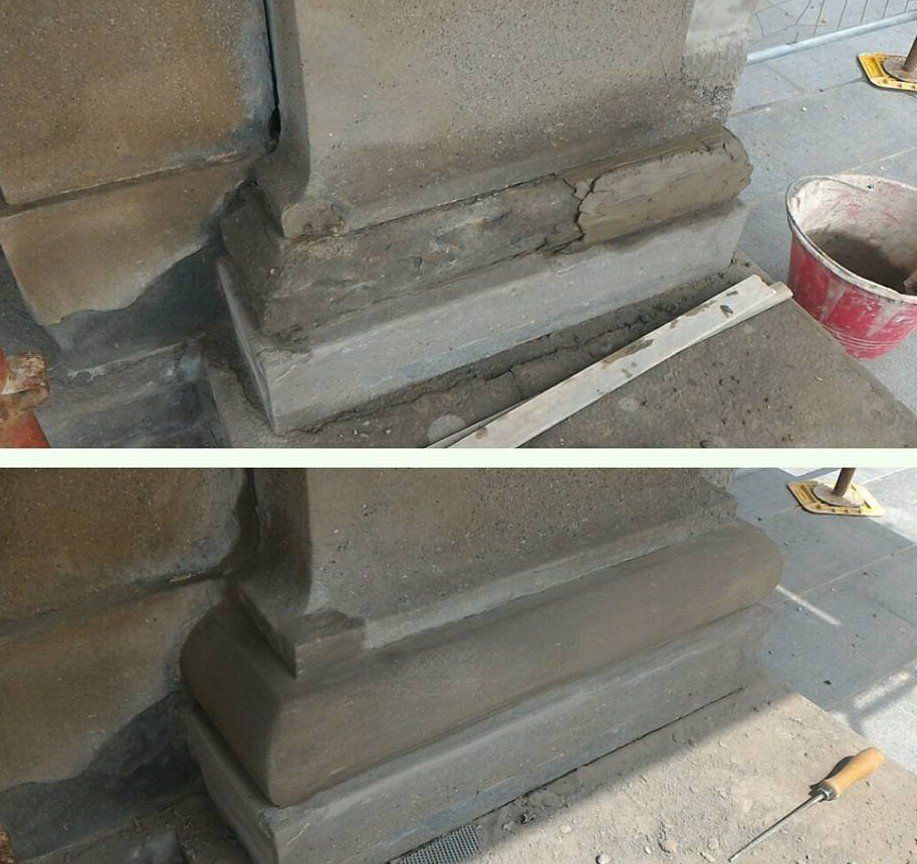
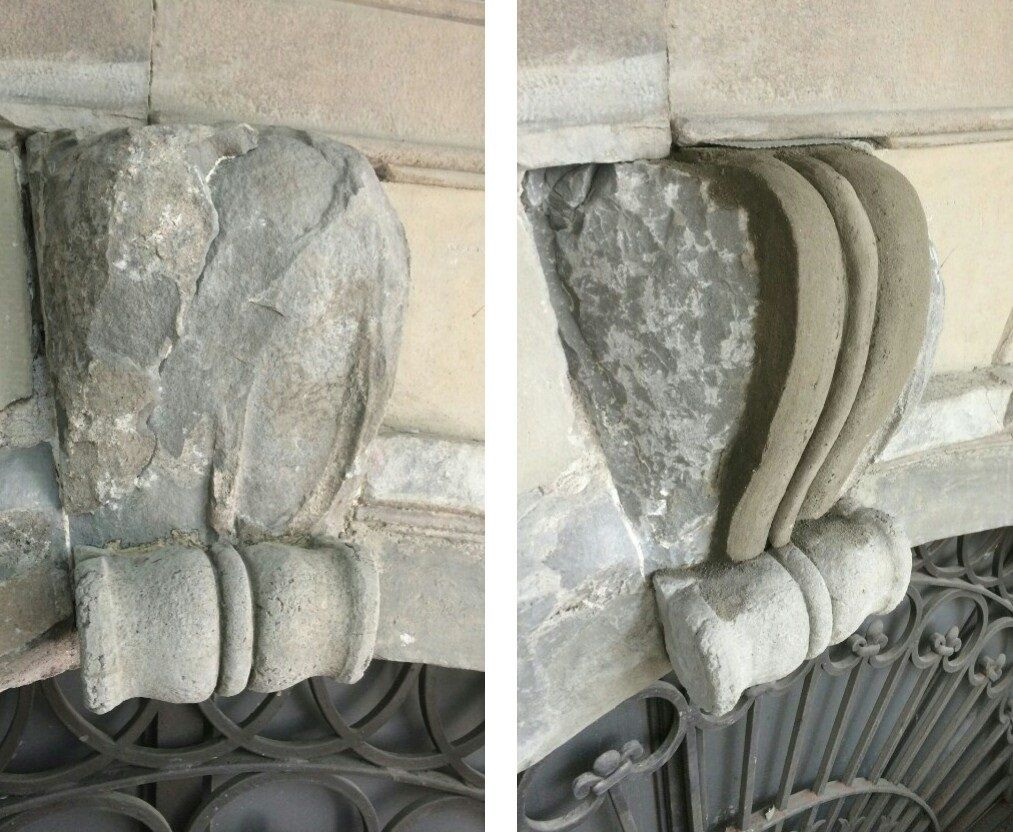
Reconstructive phases of architectural elements
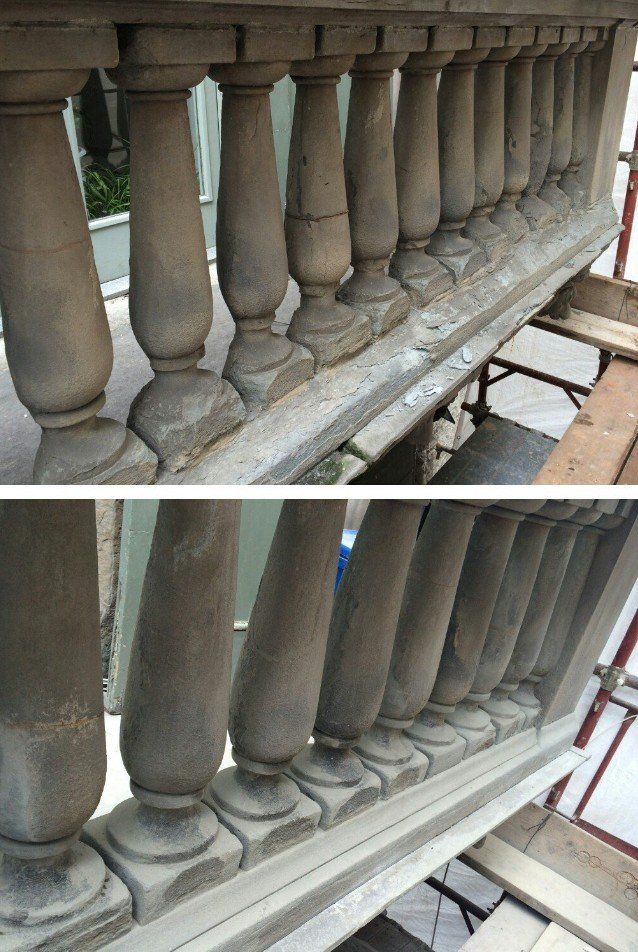
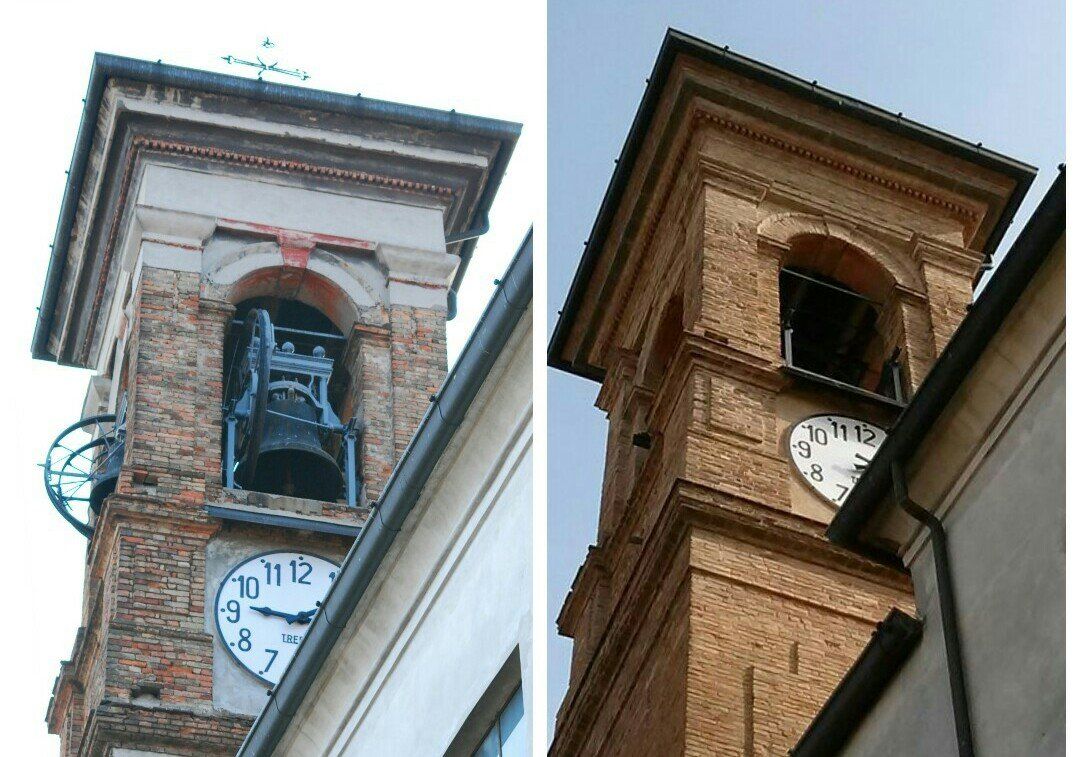
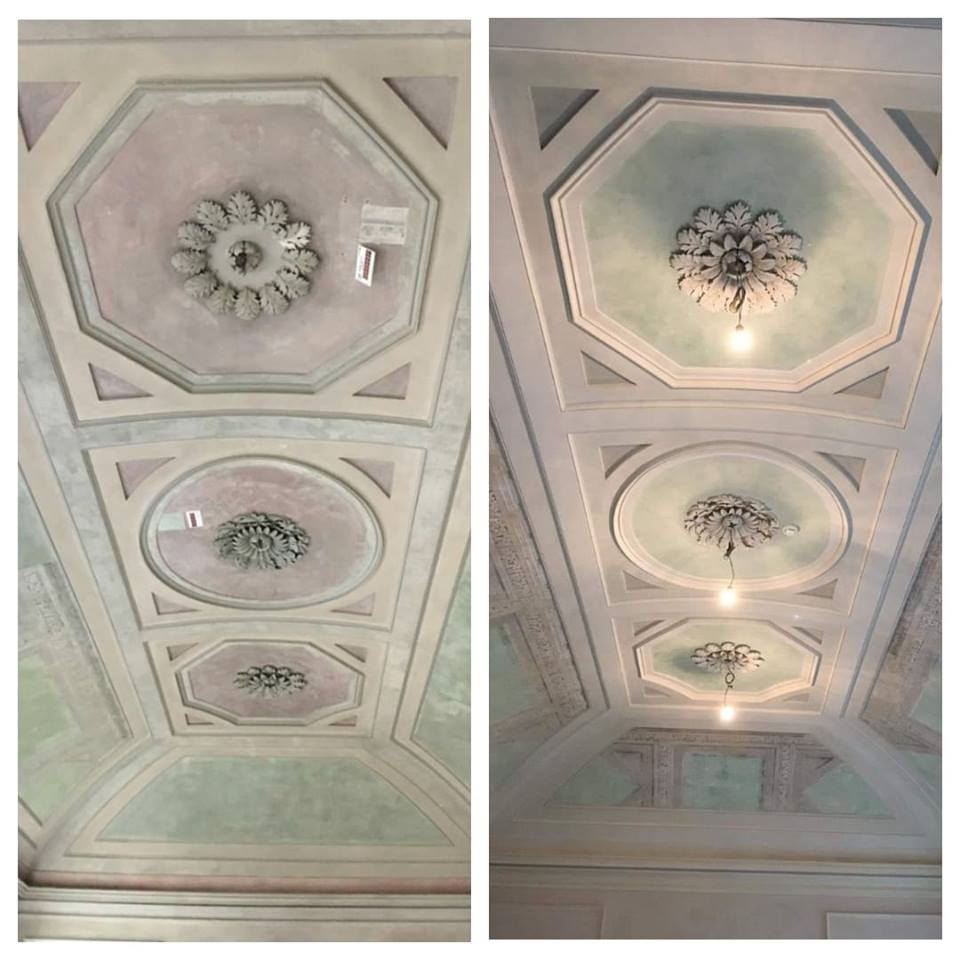
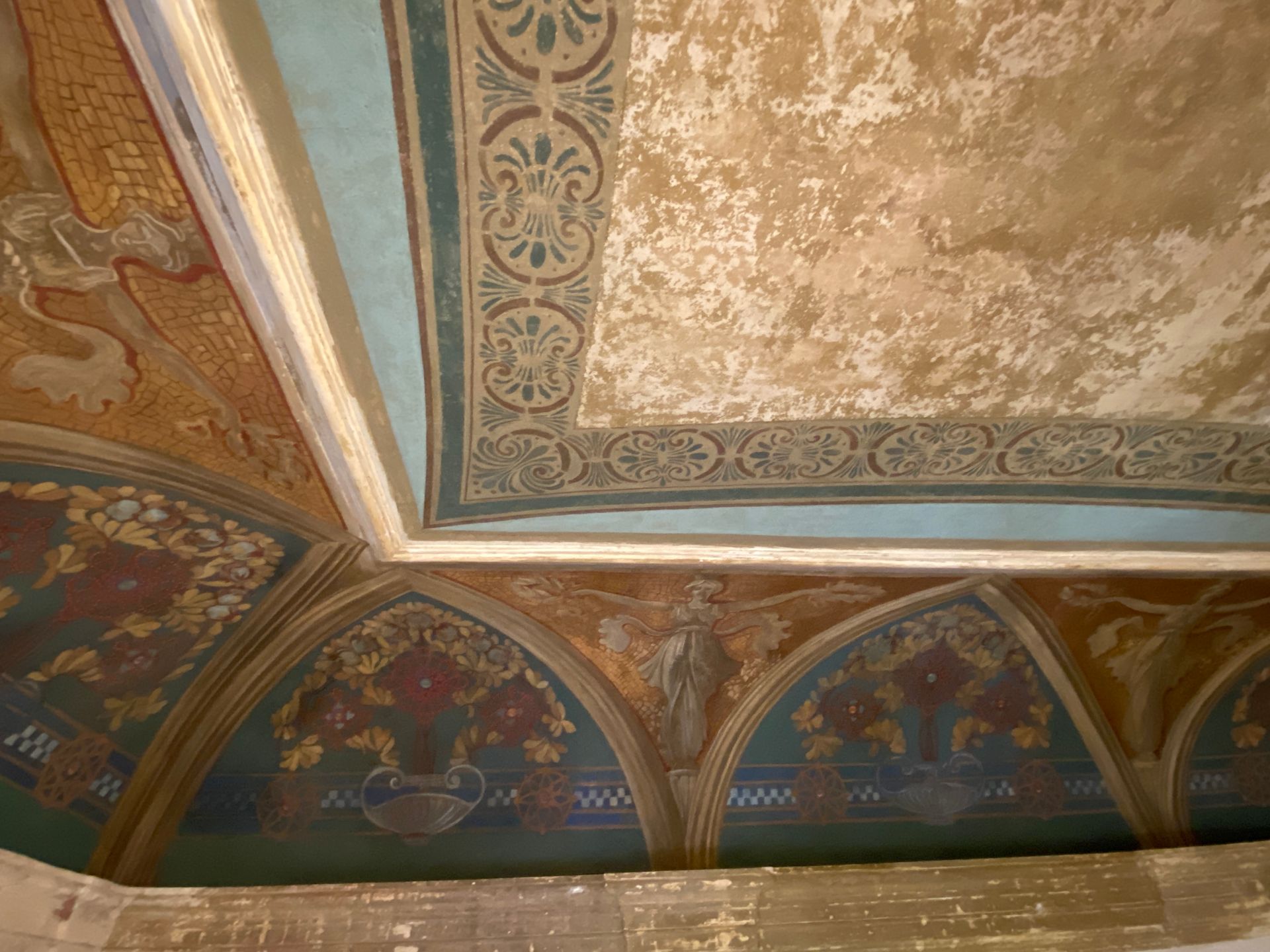
DONIZETTI THEATRE
The following pilot site involved an investigation campaign: Campaign of cleaning tests and dumples: removal of materials of various kinds unrelated to the original structure of the artefact. The purpose was to know the physical chemical structure of the elements to be removed, such as inorganic materials, organic, natural or synthetic resins. These procedures involved the use of both chemical-physical or biochemical agents or means and mechanical means. The operations were guided by precise evaluations and targeted investigations, even partially avoiding the removal of original materials or causing deterioration for their conservation. Specifying that all the cleaning dowels were carried out in targeted areas that were not of impact or visual disturbance. These interventions were aimed at the development of appropriate methodologies and documentation for any works of future conservative restoration interventions.
In the following years, several conservative restoration interventions documented by the study were carried out
The project taken in committee concerned preventive stratigraphic essays on the ceiling and sails of the bar room.
From the stratigraphic results carried out, it is verified that the original decoration has been well preserved despite the pictorial interventions achieved over time.
As a result of the study carried out on the acquired results, the restoration of the work to its original state was evaluated as an optimal solution by aesthetic and historical instance.
In conclusion, from a philological point of view, it is better to bring the original fresco to light rather than save the recent repaintings that have occurred in the interventions achieved over time.
PALAZZO SUARDI
14th-15th century
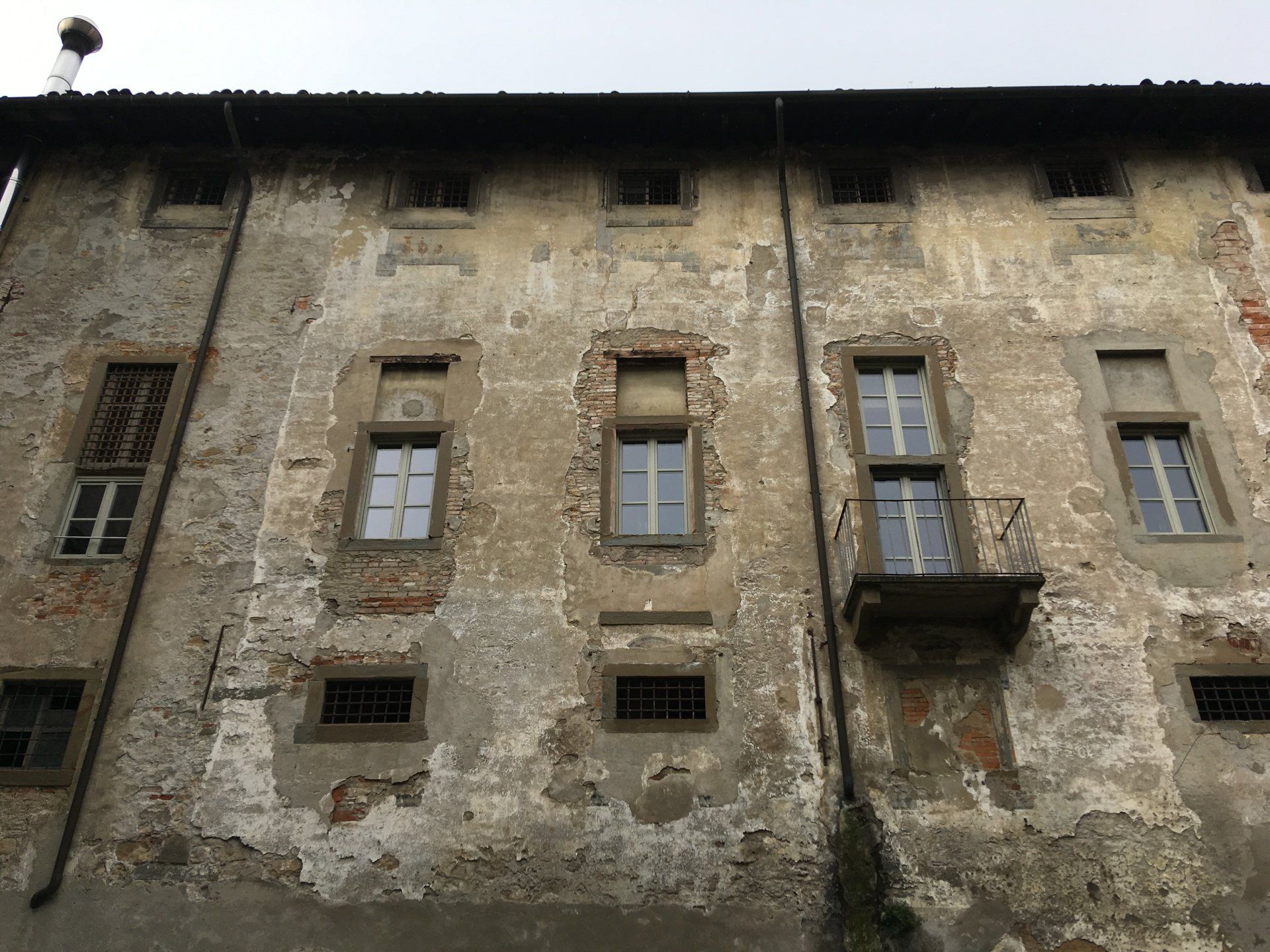
The following conservation project involved the historic Renaissance-era palace located in Upper Bergamo, undergoing the following conservation treatments.
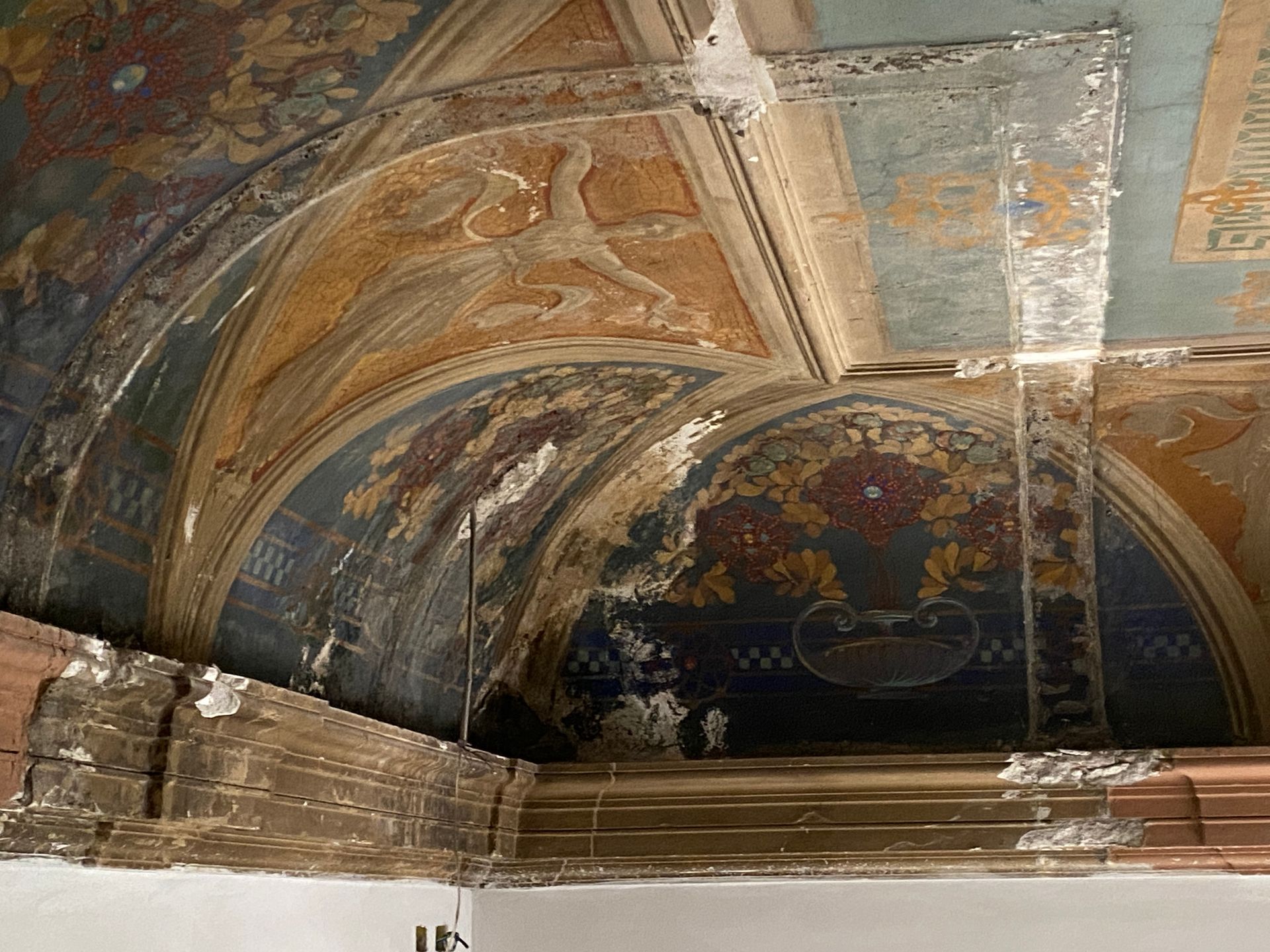
In the hall on the first floor, cleaning and conservative restoration treatments were carried out on a uniform layer of partially coherent surface deposits (greasy dust) adhering to the decorative paint layer. Additionally, numerous surface cracks and several others at the structural level were present.
Previous restoration work carried out with materials not compliant with the original pictorial layout was also documented, and portions of plaster exhibiting some swelling caused by material collapses were identified.
The conservation treatment also included a surface cleaning intervention performed with soft brushes, followed by the removal of partially coherent deposits using sponges (Wishab) on almost the entire painted surface.
Regarding the part concerning the pointing and consolidation work, the following operations were carried out: mechanical removal of the previous pointing that was no longer adhering to the wall support, pointing of the cracks with hydraulic lime and slaked lime mortar, with selected aggregates conforming to the original, and removal of the iron supports for the previous shelving. Additionally, consolidation with injections of fluid hydraulic lime-based consolidating mixtures between the plaster layers of the decorated surfaces for pictorial reintegration with glazing or reintegration with lime paints. Colour matching of new small and large-scale fillings affecting the surface, and re-establishing the cohesion of the paint film in cases of disintegration or powdering by applying a 5% acrylic consolidating product in demineralised water using sprayers.
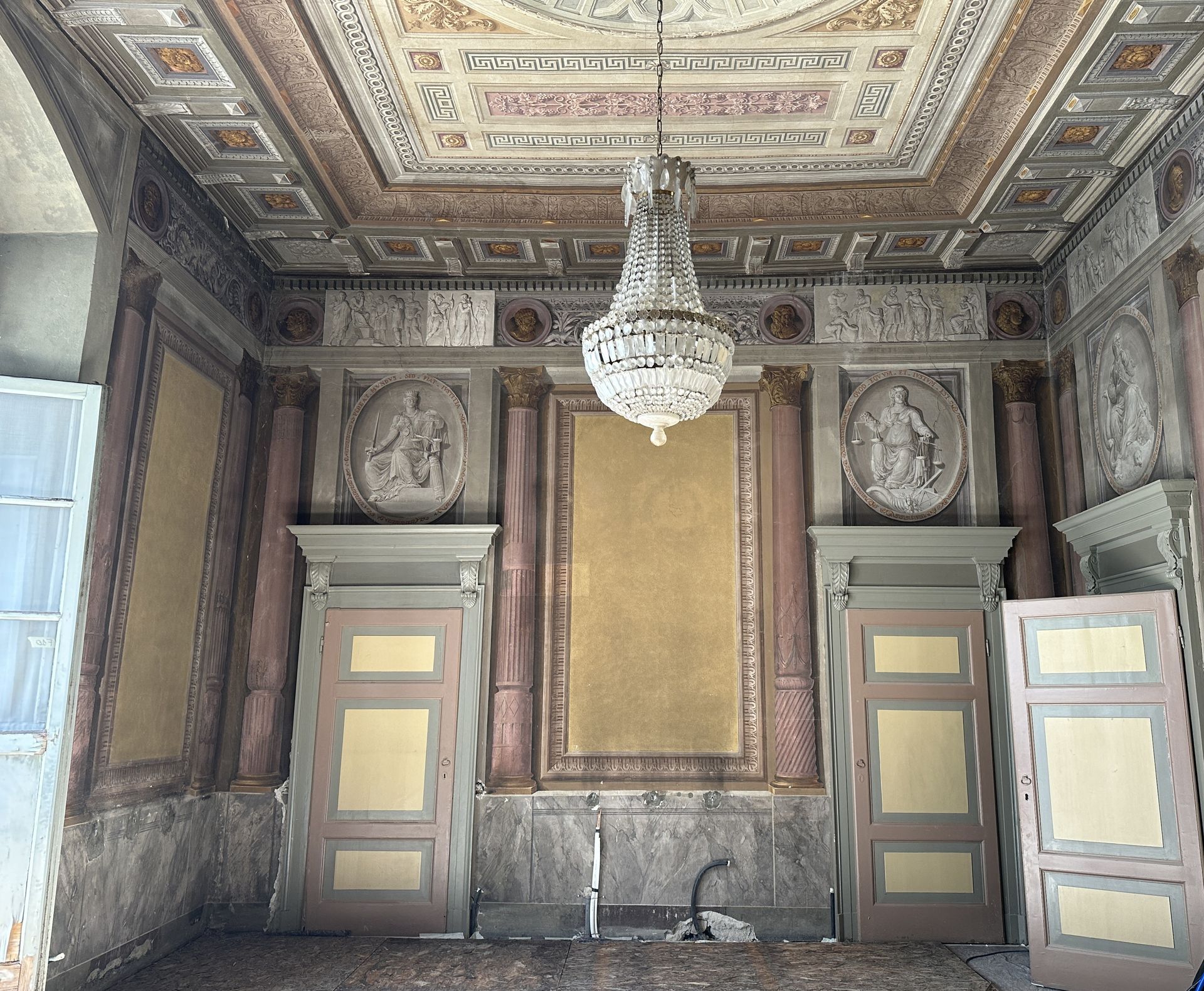
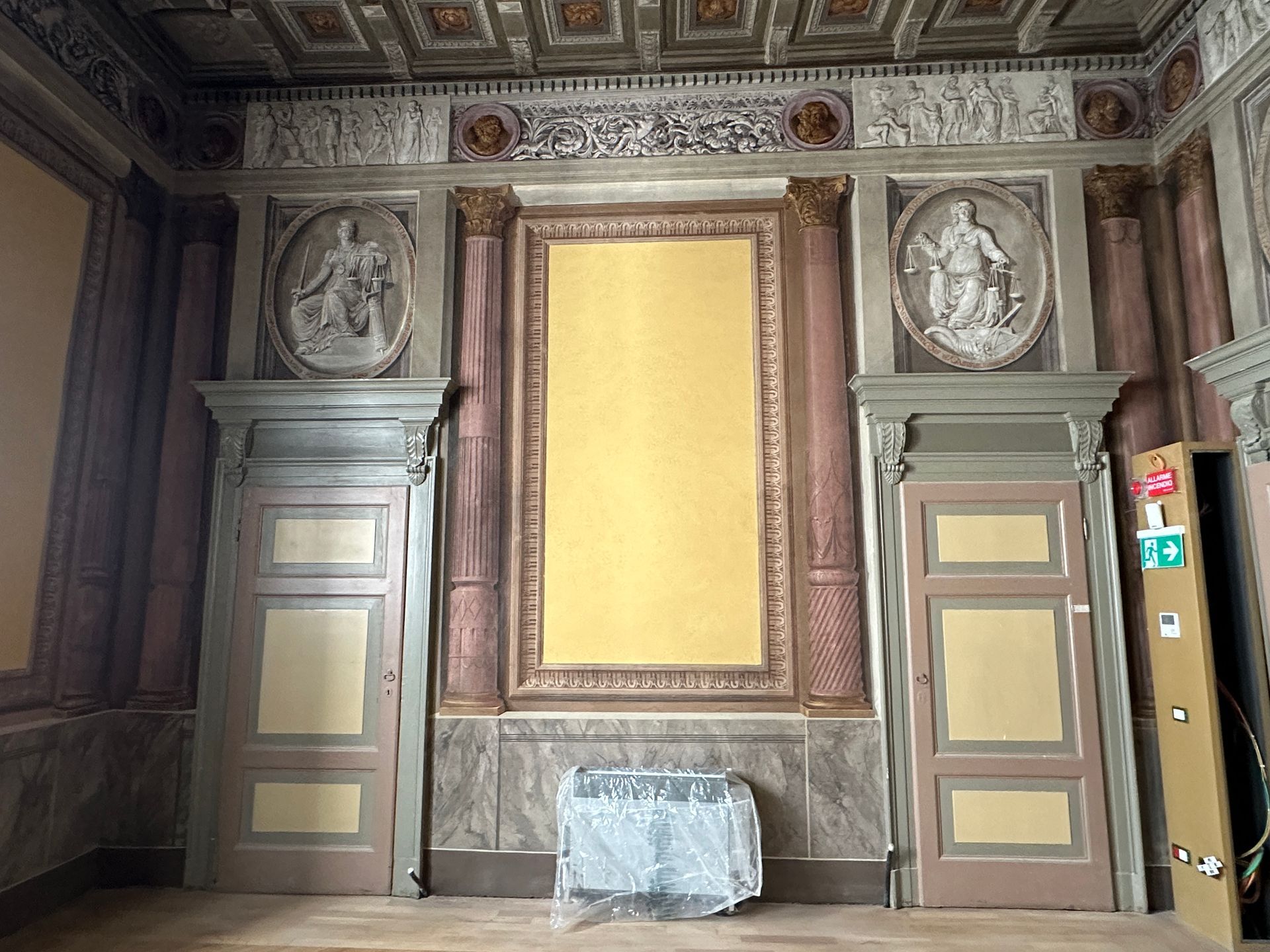
TEATRO SOCIALE BERGAMO ALTA
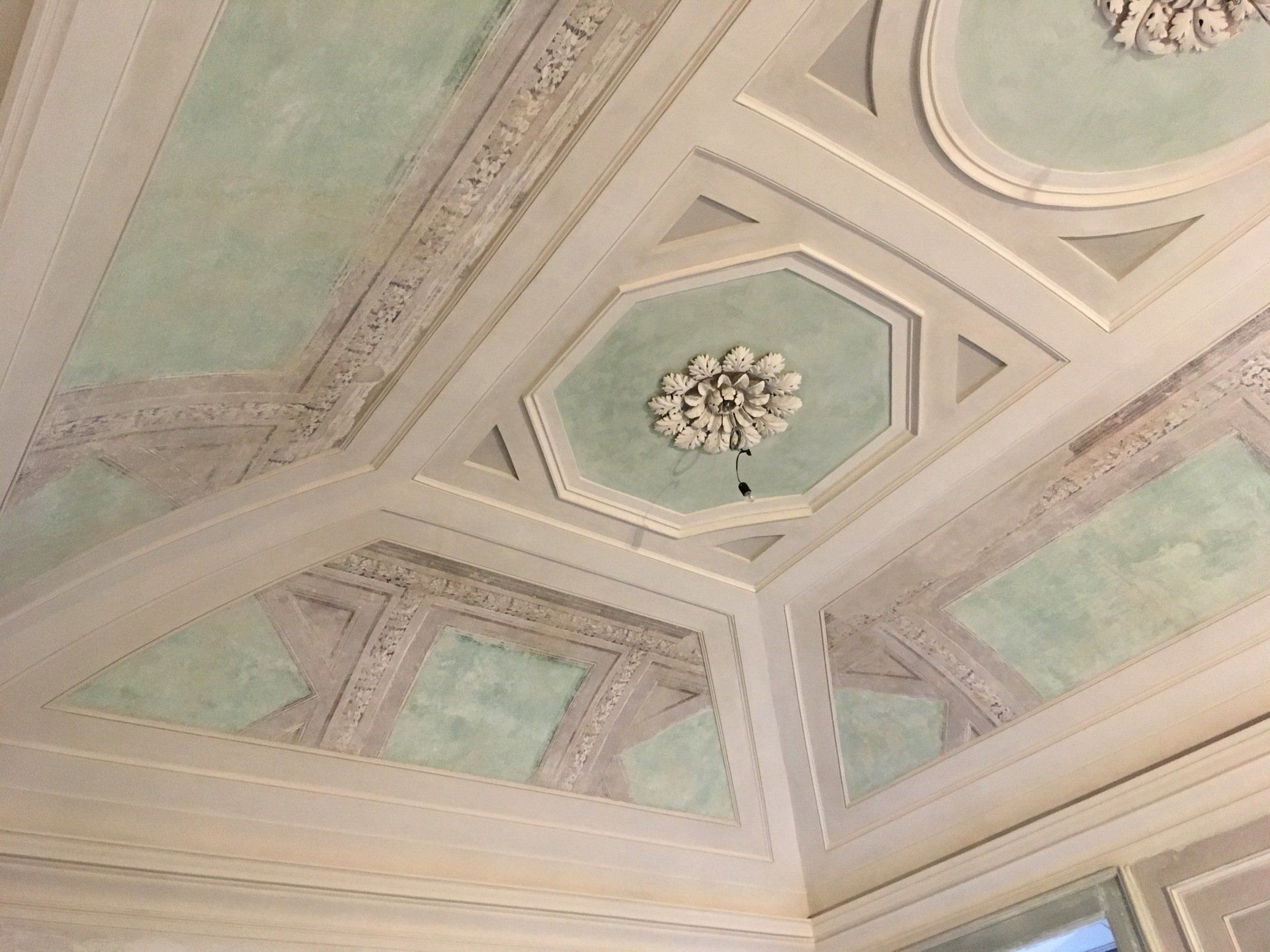
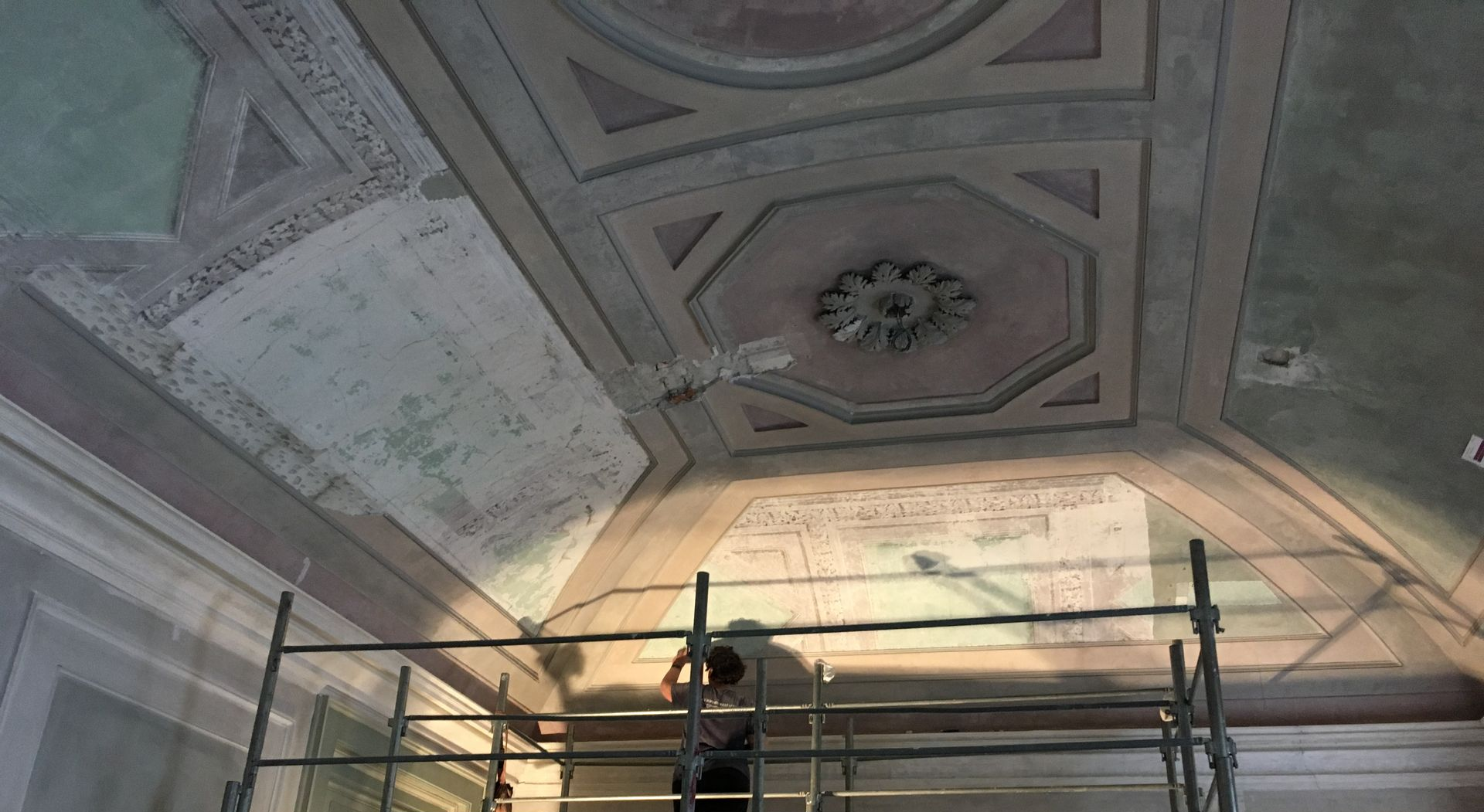
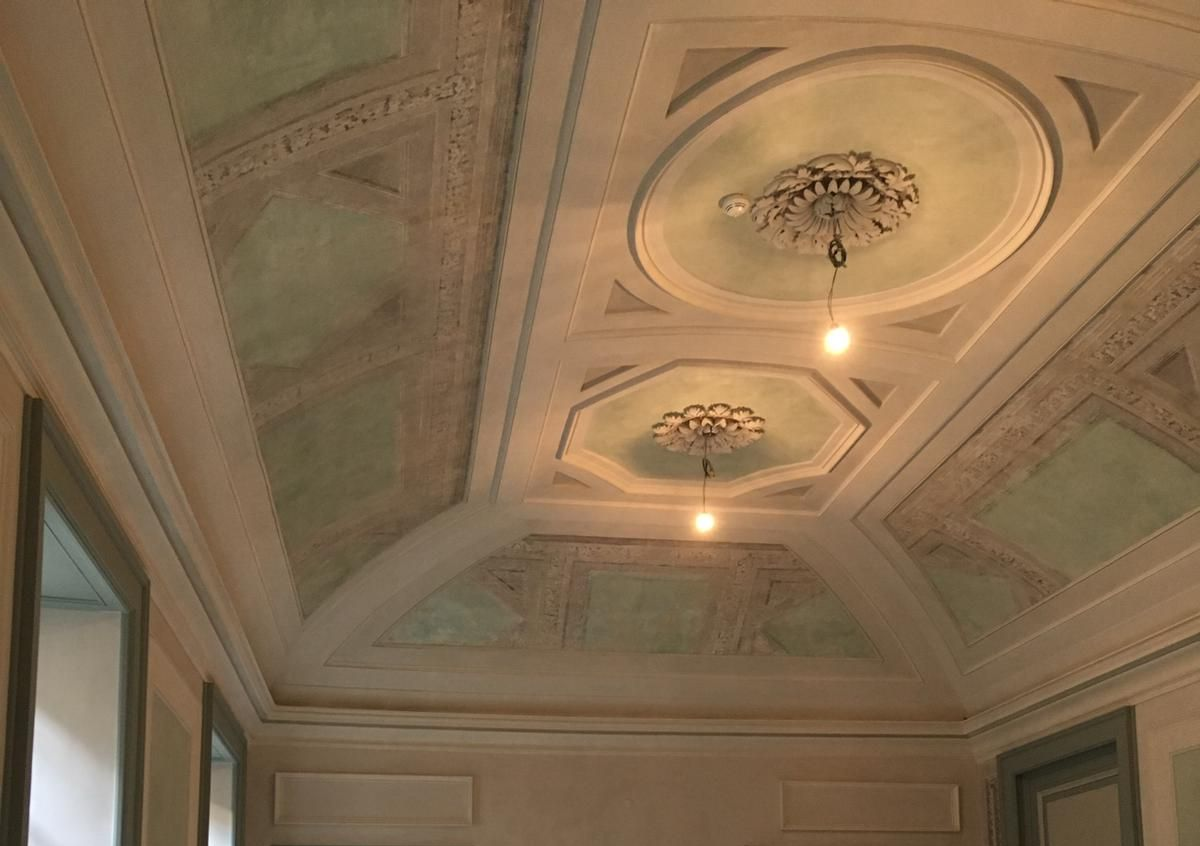
The following project concerns the conservative restoration work on the rooms of the first-floor foyer of the theatre , the intervention treatment, strictly conservative , was carried out by qualified professionals in cultural heritage conservation, using specific materials, Before the conservation operations began, samples were taken of the different cleaning and conservation treatments on the various types of materials present on the walls, vaults, and cornices. The samples were taken using non-invasive criteria and subsequently digitally documented. For the cleaning tests, the material type sampled was taken into account, adopting different application methods depending on the issues to be addressed and using suitable supports and reagents. However, the mechanical stratigraphies on the surface whitewash were particularly relevant.
Subsequently, the paint finishes on the vaults and frames were analysed, and further sampling allowed us to reveal portions of "ancient" plaster. It was paint finishes, likely according to the original design. The painted layers of the vaults reveal pastel but intense colours, characteristic of the Neoclassical period that extended into the nineteenth century. The sequence detected on the vault of the central hall is more elaborate, where stucco frames have been superimposed on the original decorative scheme, revising painted mouldings with plastic modelling and exquisitely crafted rosettes.
Our interventions