Archaeological Restoration
"Archeology is the aristocracy of history."
Interventions
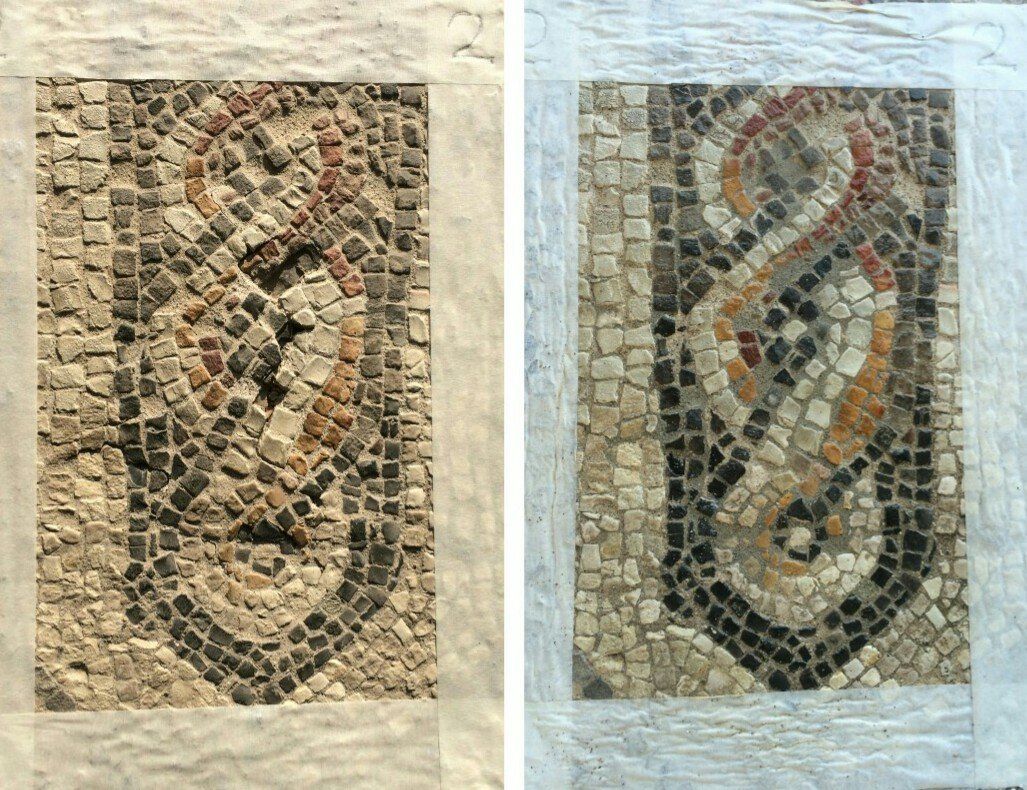
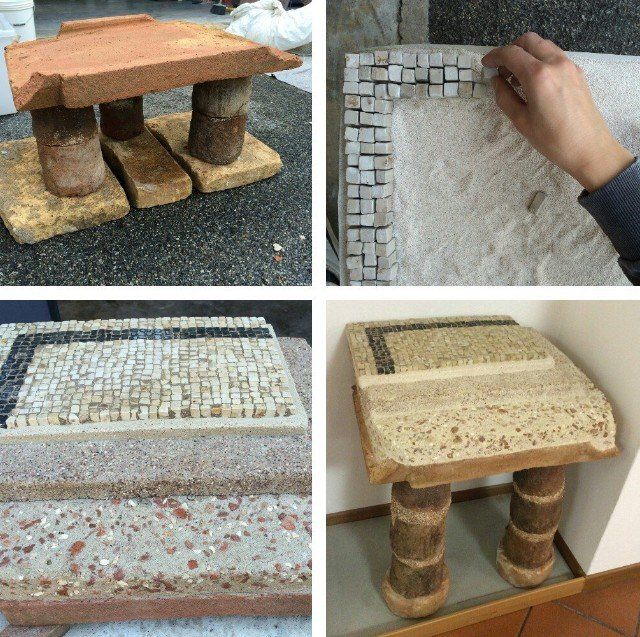
ARCHEOLOGICAL CONSERVATIVE TREATMENT
Company that has been operating in the restoration sector for 40 years thanks to the combination of modern technologies and ancient experiences.
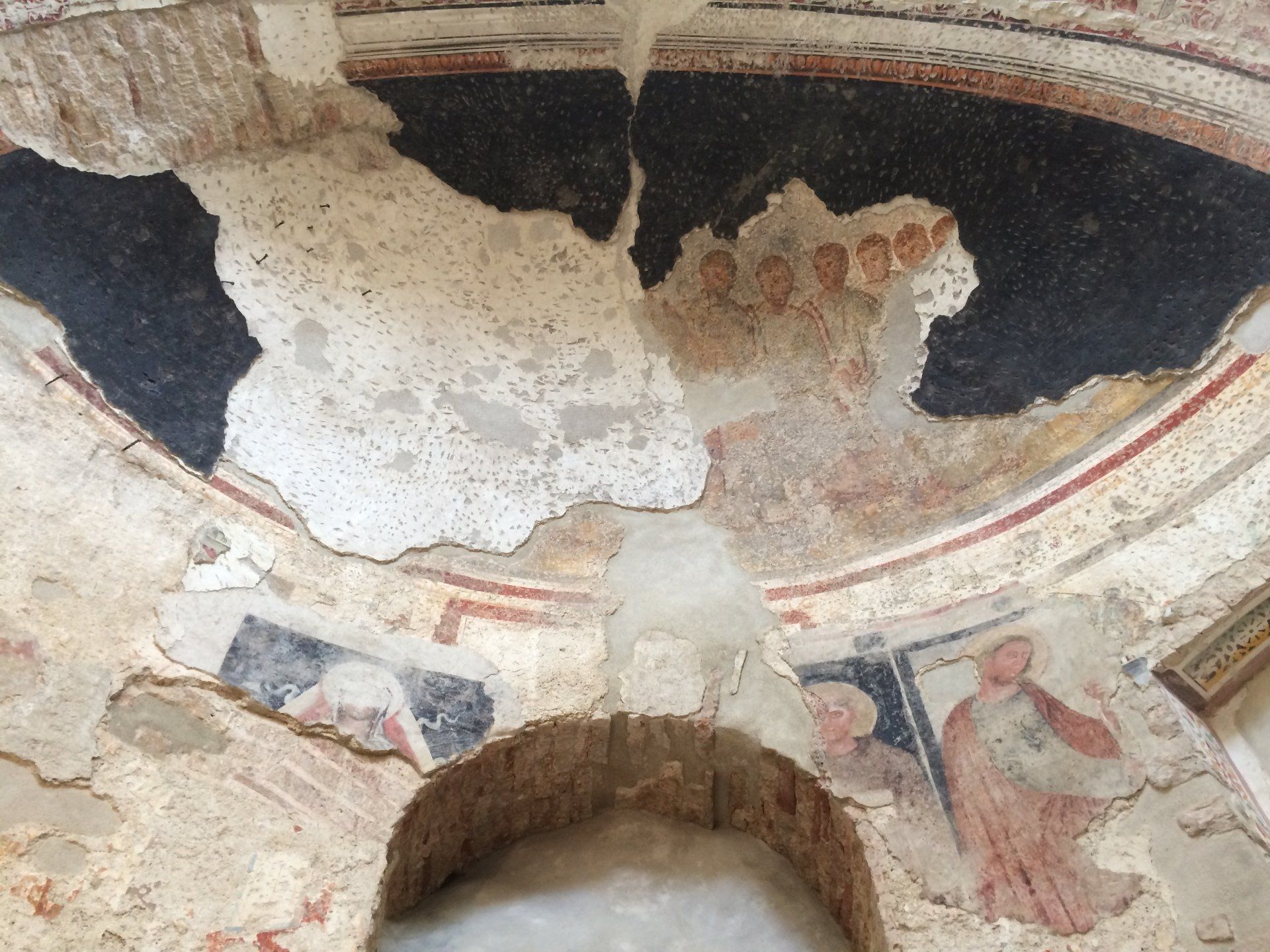
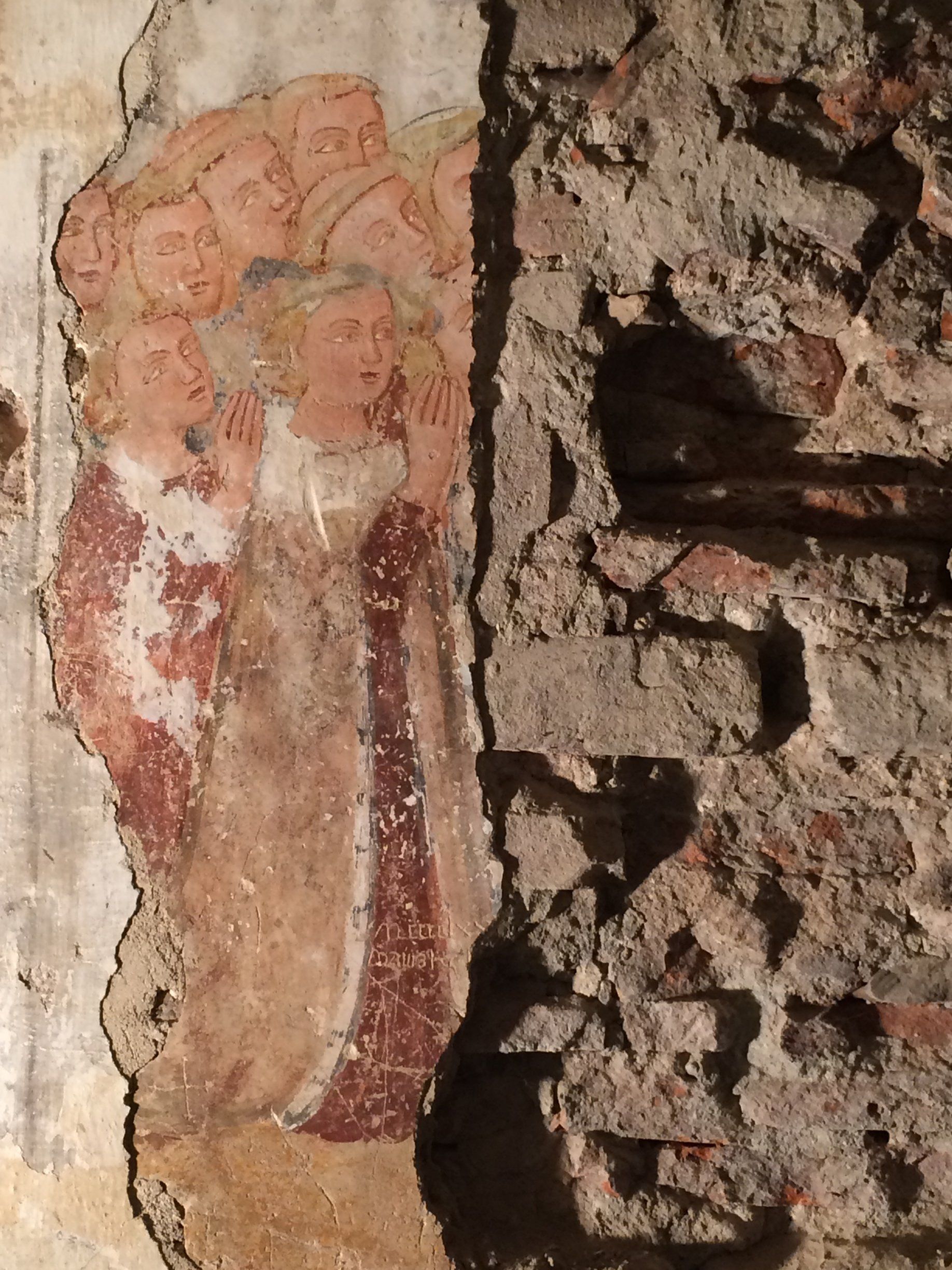
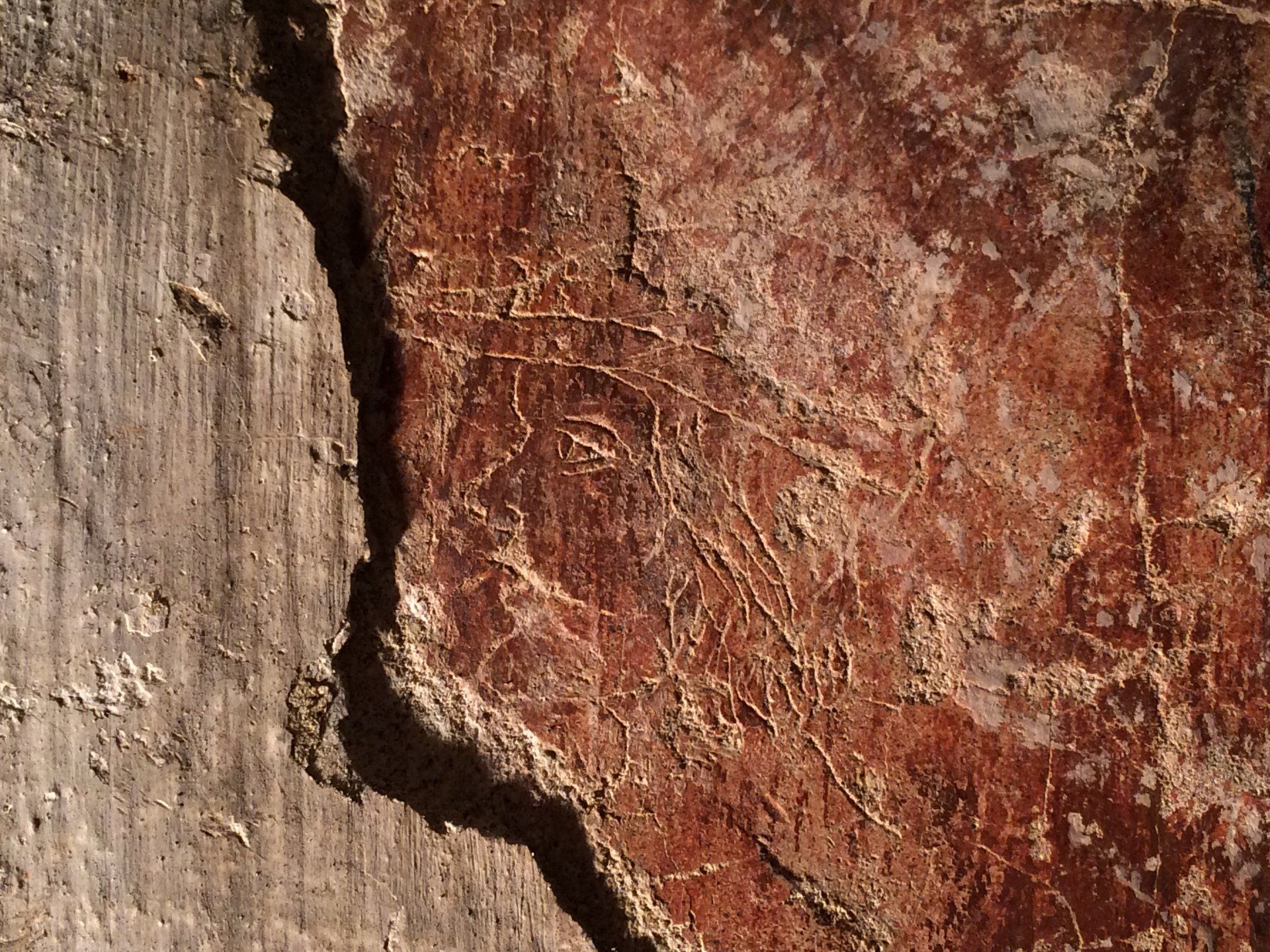
We offer the flexibility in meeting the requests received, which means that our activity takes place on a large territorial scale thanks to the professionally trained staff and available for any movement. We specialise in monumental conservative restoration, we re-propose ancient plasters with their application in our interventions, especially in archeological restoration. Our interventions also include the restoration of frescos, moulded stone elements including stucco decorations, as well as the production and installation of simple and decorated lime plasters.
These operations are optimised thanks to the use of selected materials after careful research by a competent staff.
Inspections and estimates Detailed restoration sheets
Analysis of the composition of materials for restoration
Any faithful reproductions of historical Malte are available on request.
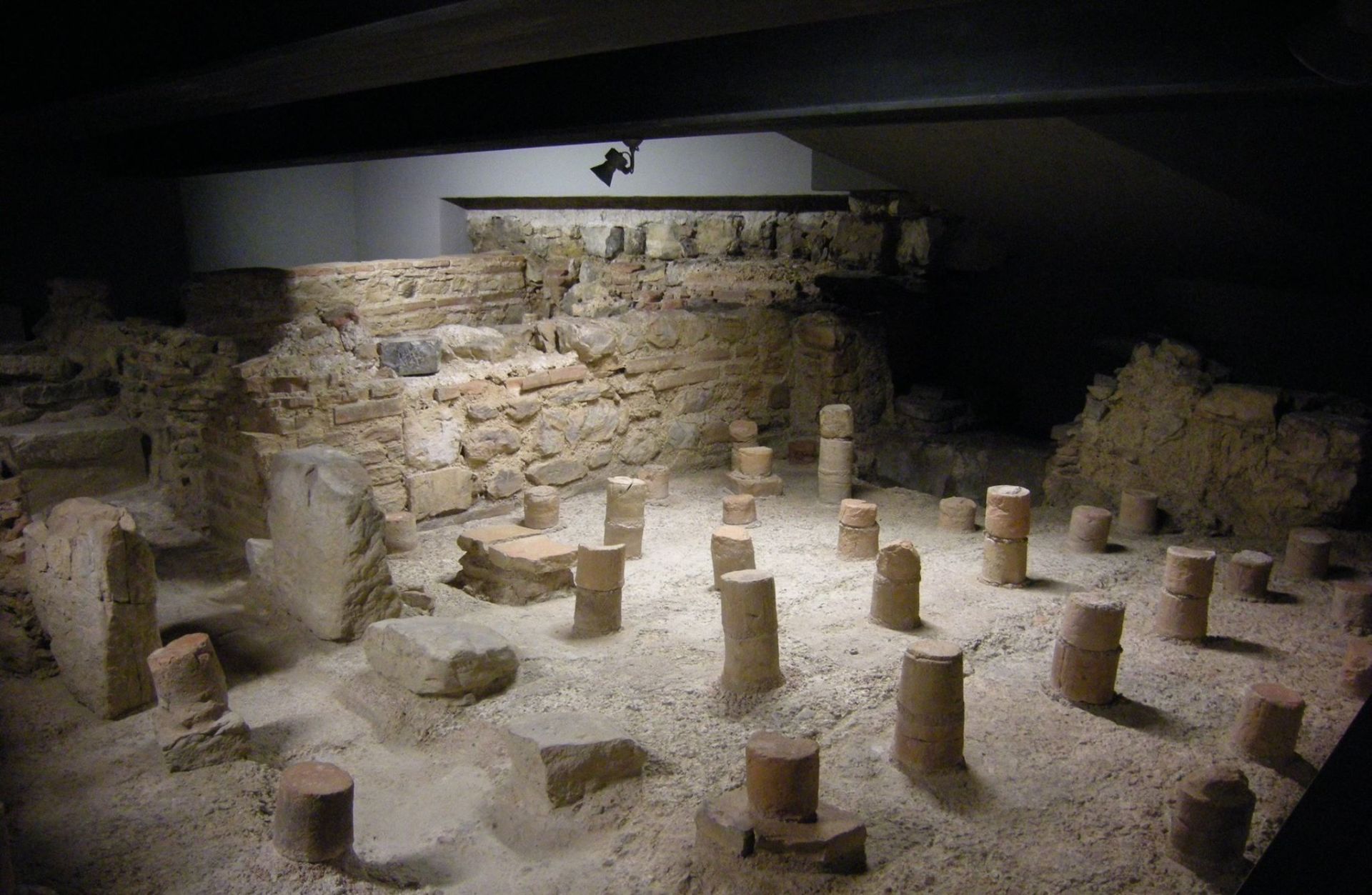
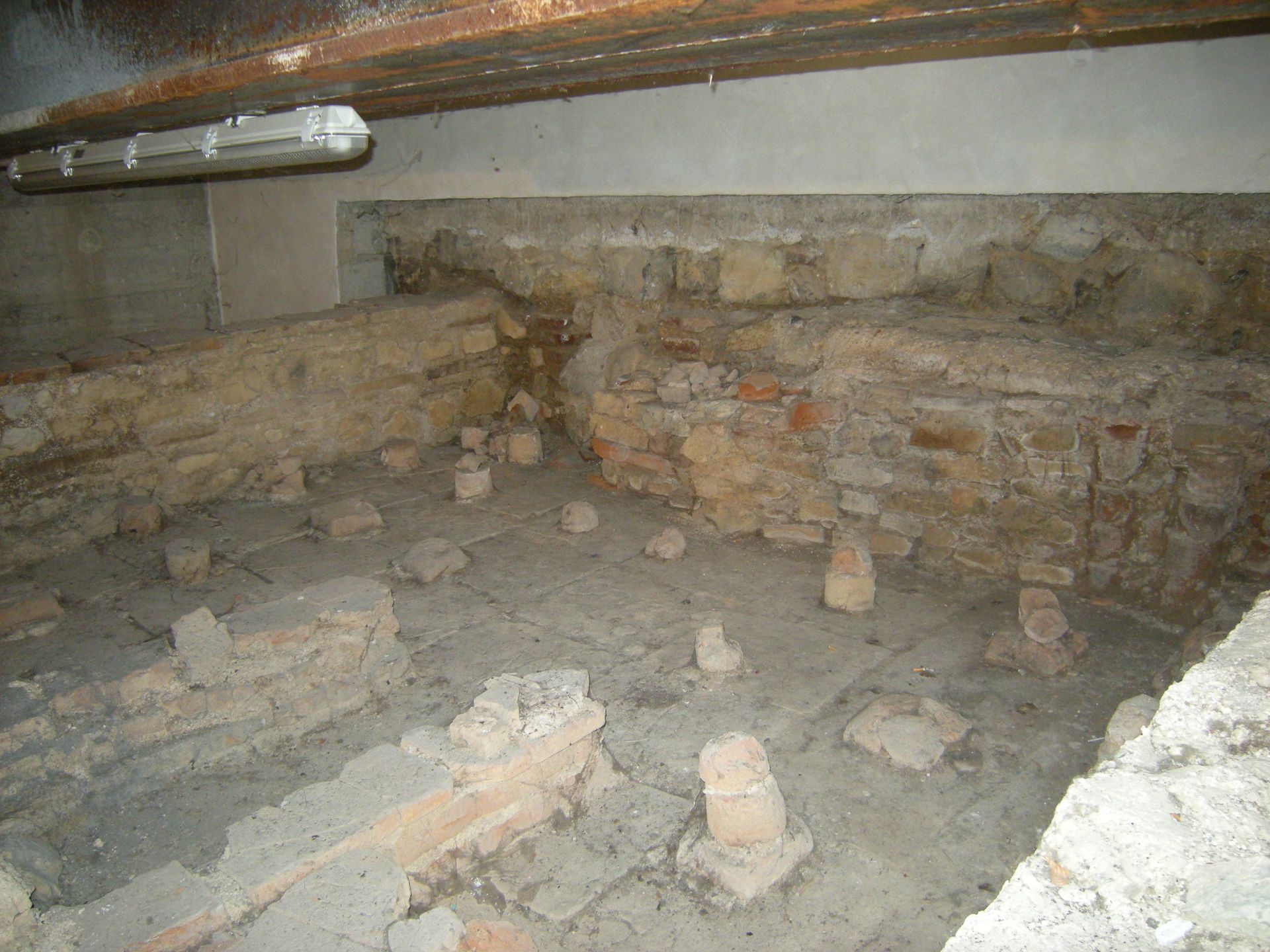
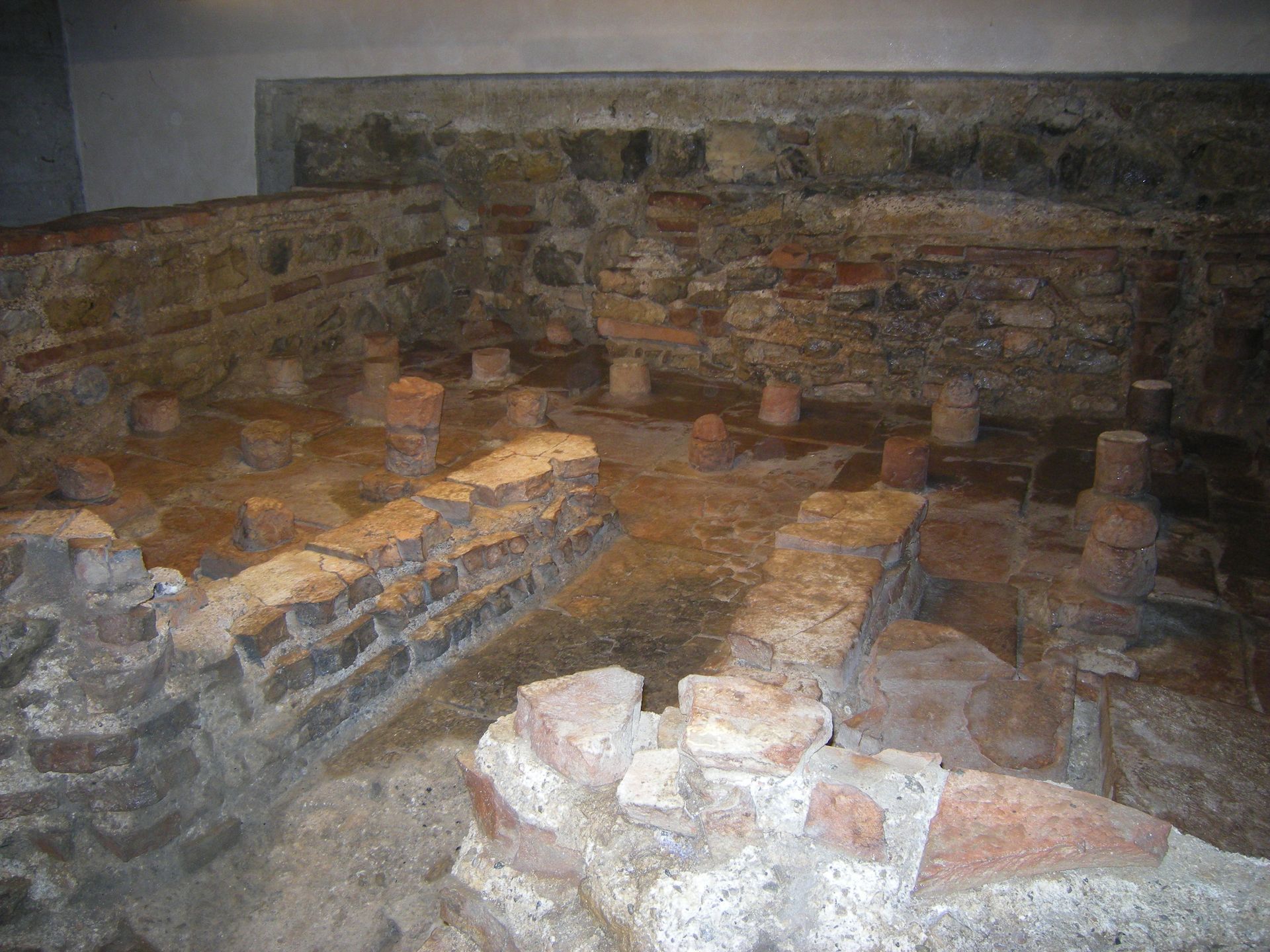
PREDORE ROMAN BATHS (BG)
Ancient structures-restoration of Roman baths
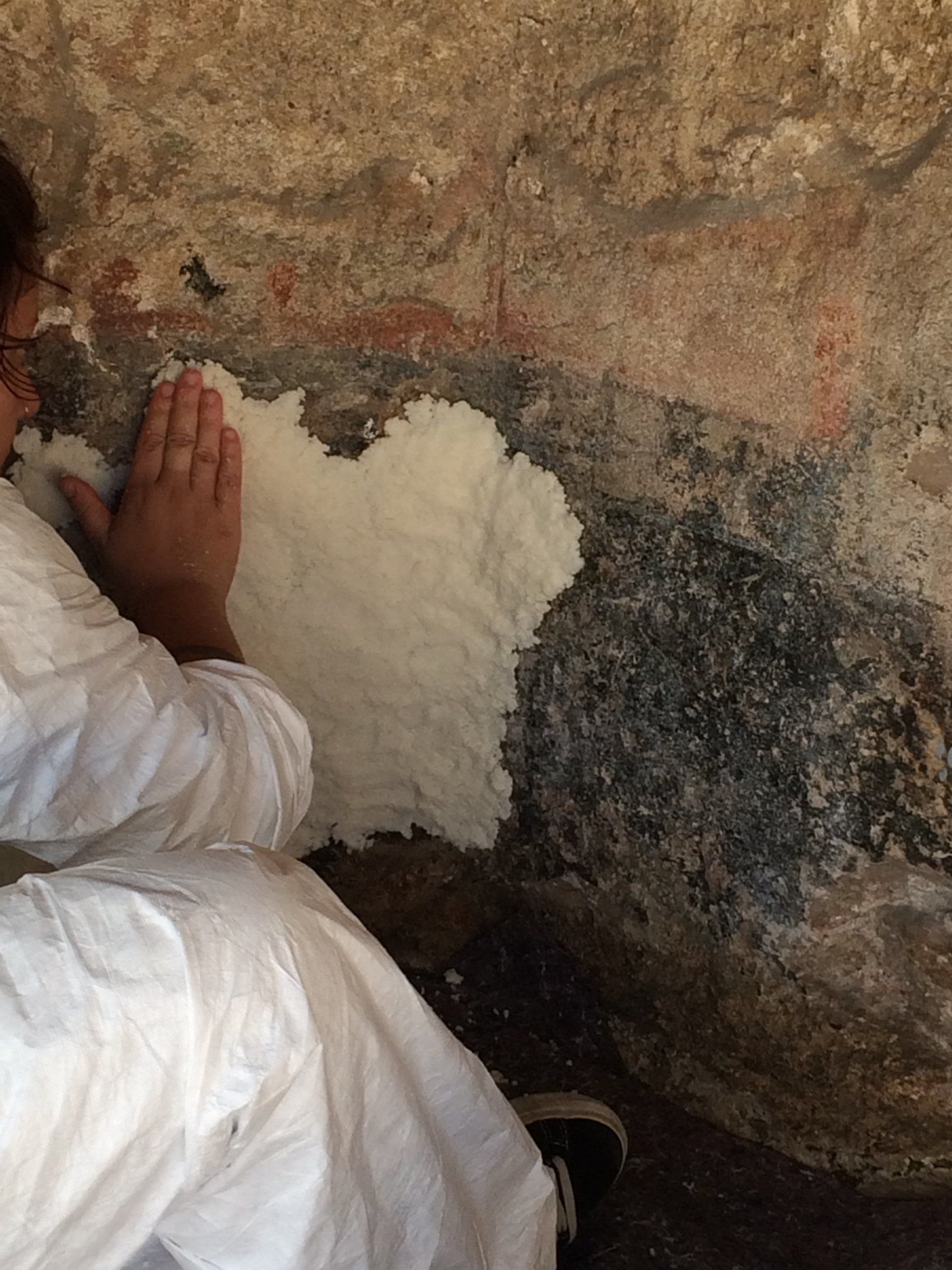
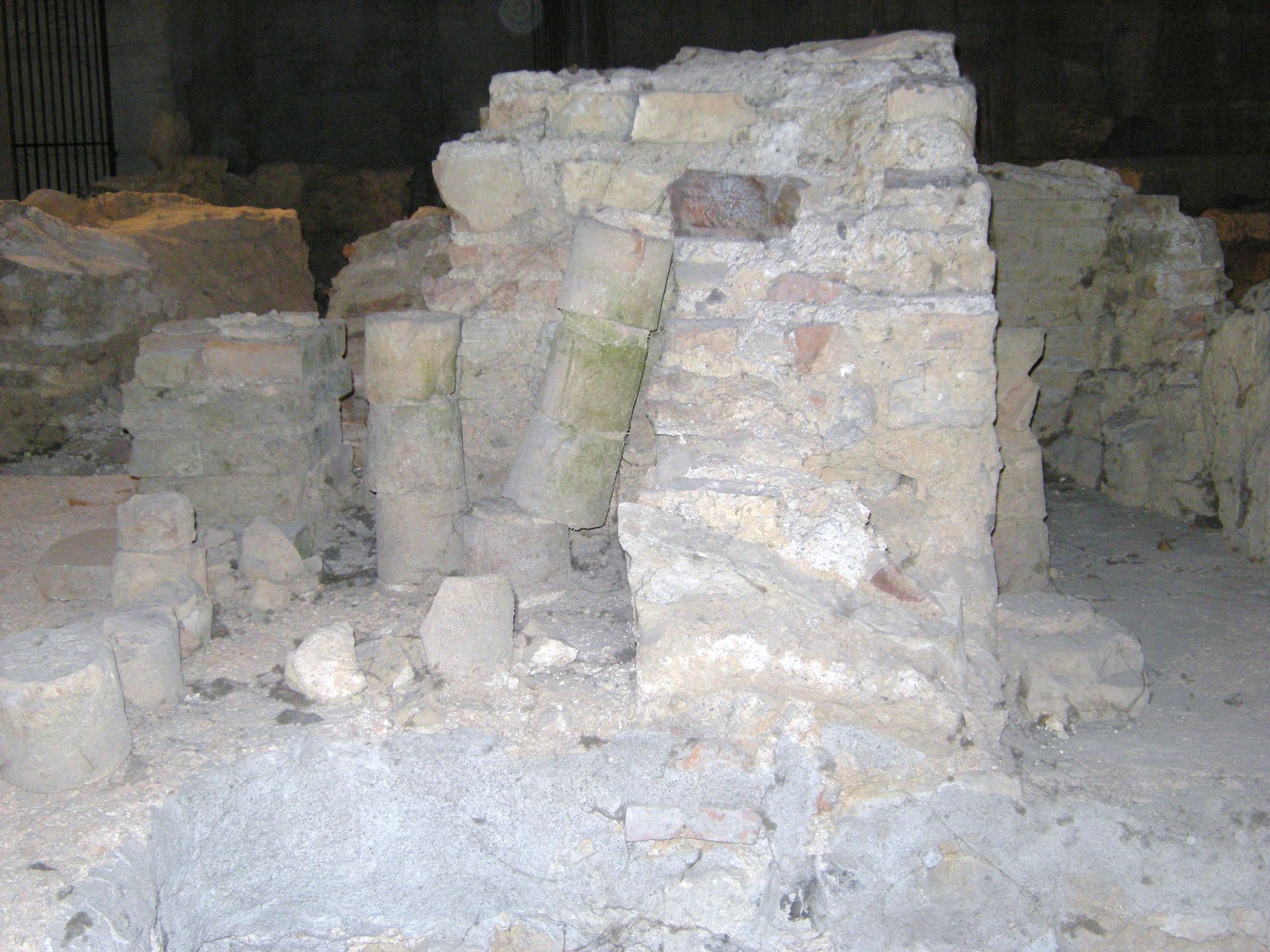
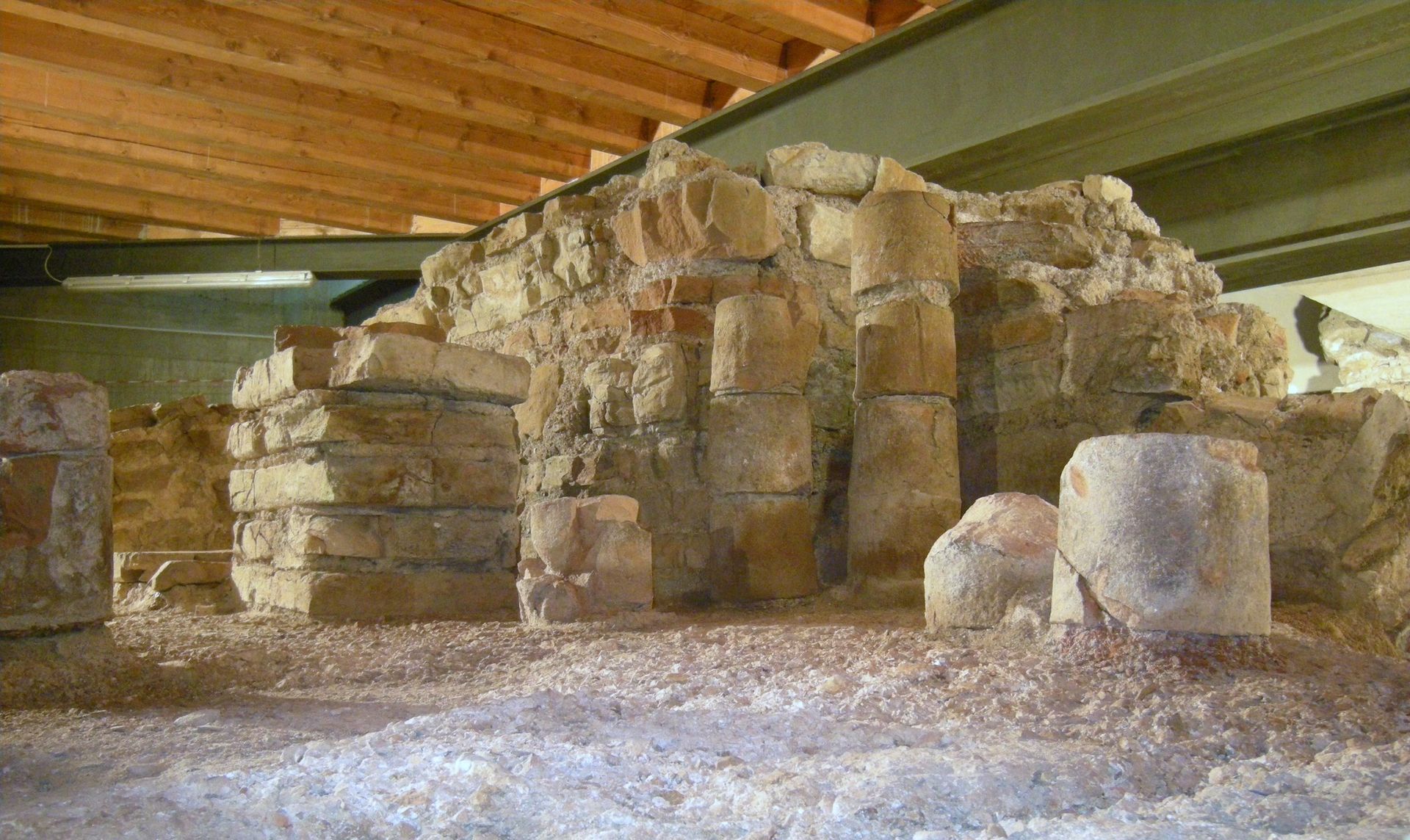
The structures had incoherent powder patinas on all surfaces, from bricks to masonry, during the cleaning operations large areas covered with cement powders sedimented during the covering work of the site were highlighted. The removal of the layers is carried out with the help of vacuum cleaners, in the most tenacious cases with the use of brushes and scalpels, not before having prepared the areas to be treated with compresses based on 5% cellulose-ammonium carbonate. The state of the bricks at times presented with flakes, loss of material due to the presence of stratified soluble salts on some sectors. The grouting, the mortars composed for the interventions, after sampling, have been composed and added with hydraulic calcium, siliceous inerts and cocciopesto parts as originals. Puttying with cocciopesto-based mortars allowed us to sew background parts with material leaks. After the grouting intervention, the same thickness was restored, reconsolidating as originally. For the final consolidation, an ethyl-silicate-based product applied to the surfaces affected by the conservative restoration was used.
SANTA MARGHERITA STAFFORA (PV)
SUPERINTENDENCE OF ARCHAEOLOGY, FINE ARTS, AND LANDSCAPE FOR THE PROVINCES OF COMO, LECCO, MONZA-BRIANZA, PAVIA, SONDRIO, VARESE
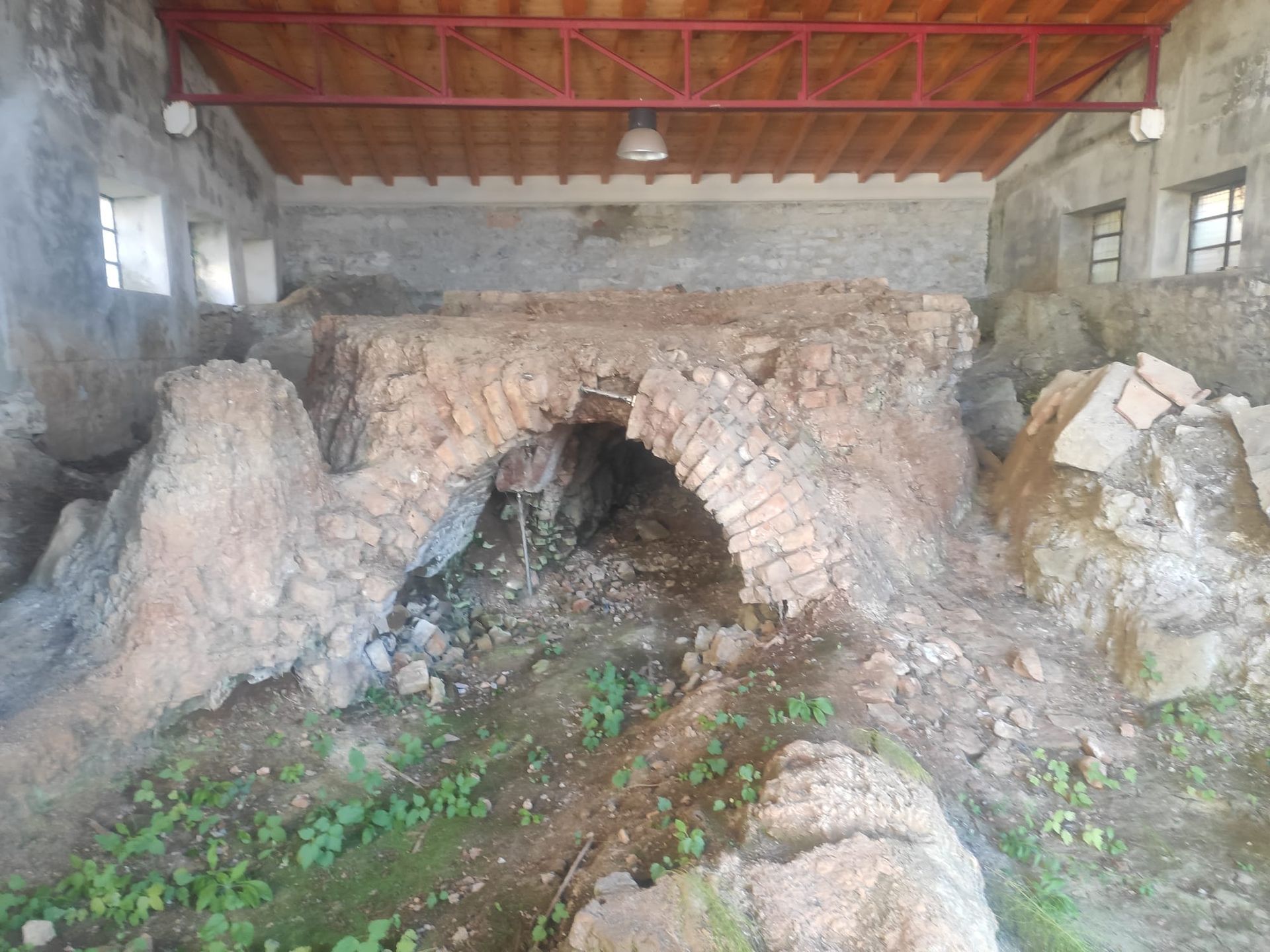
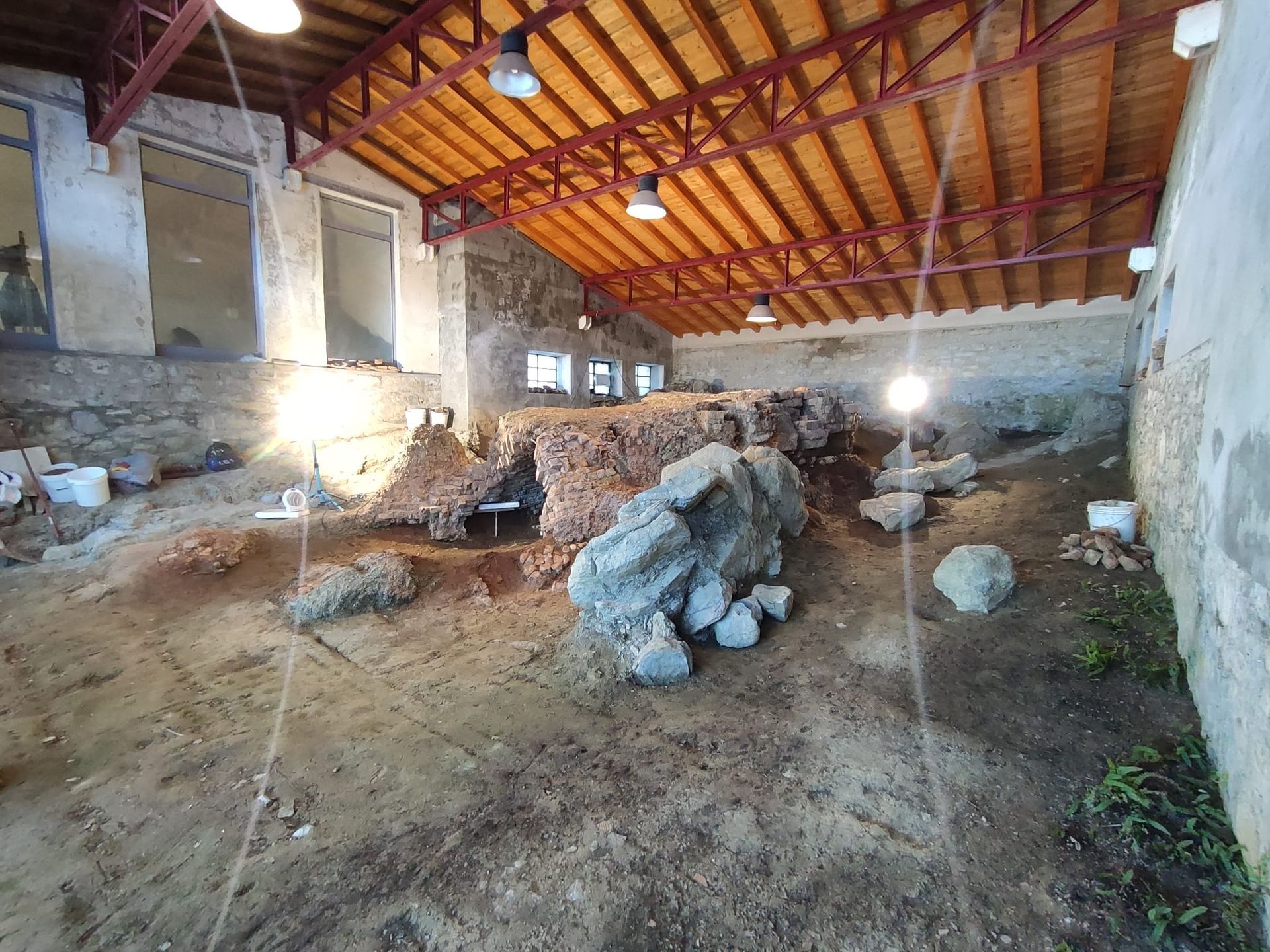
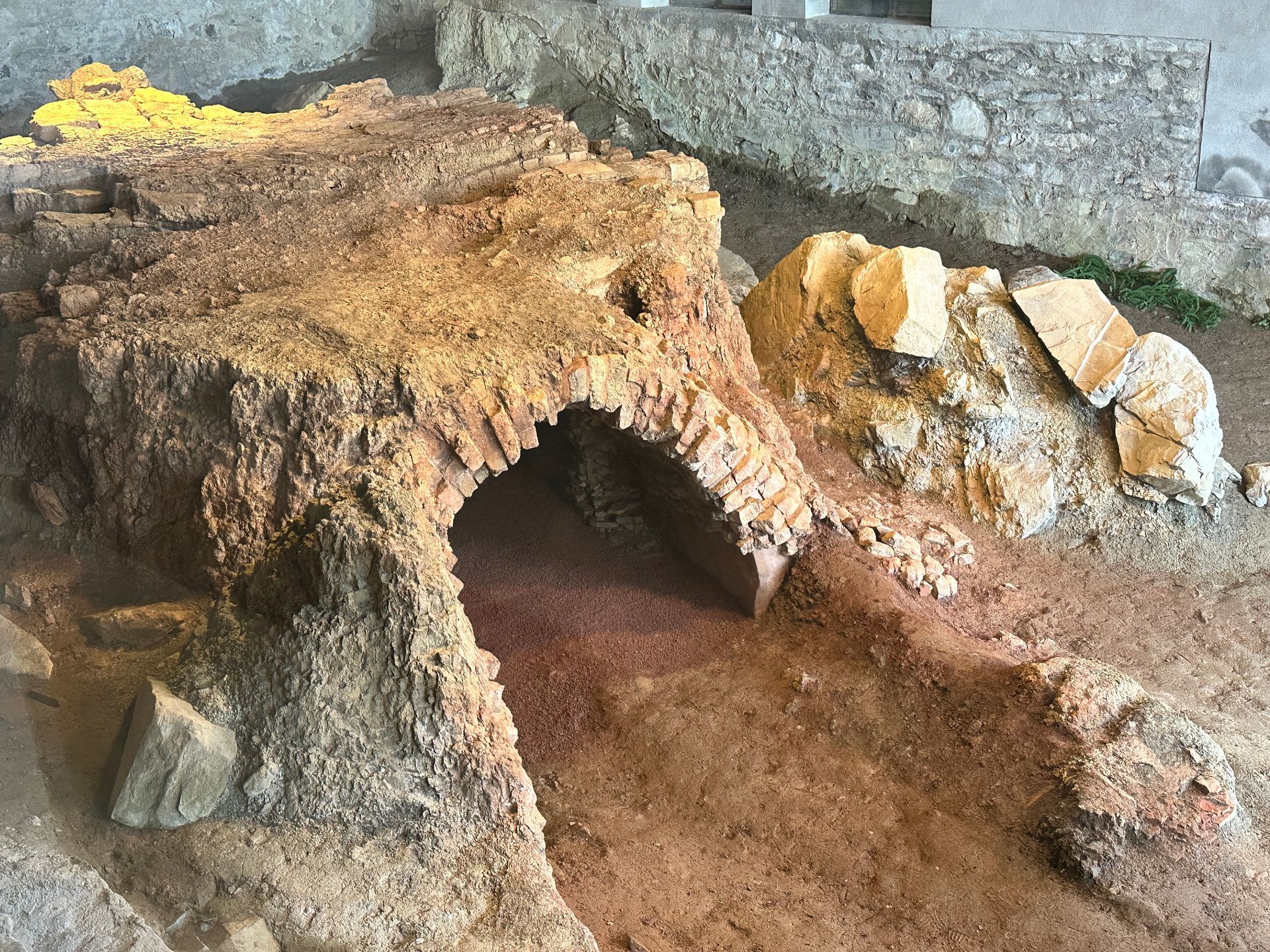
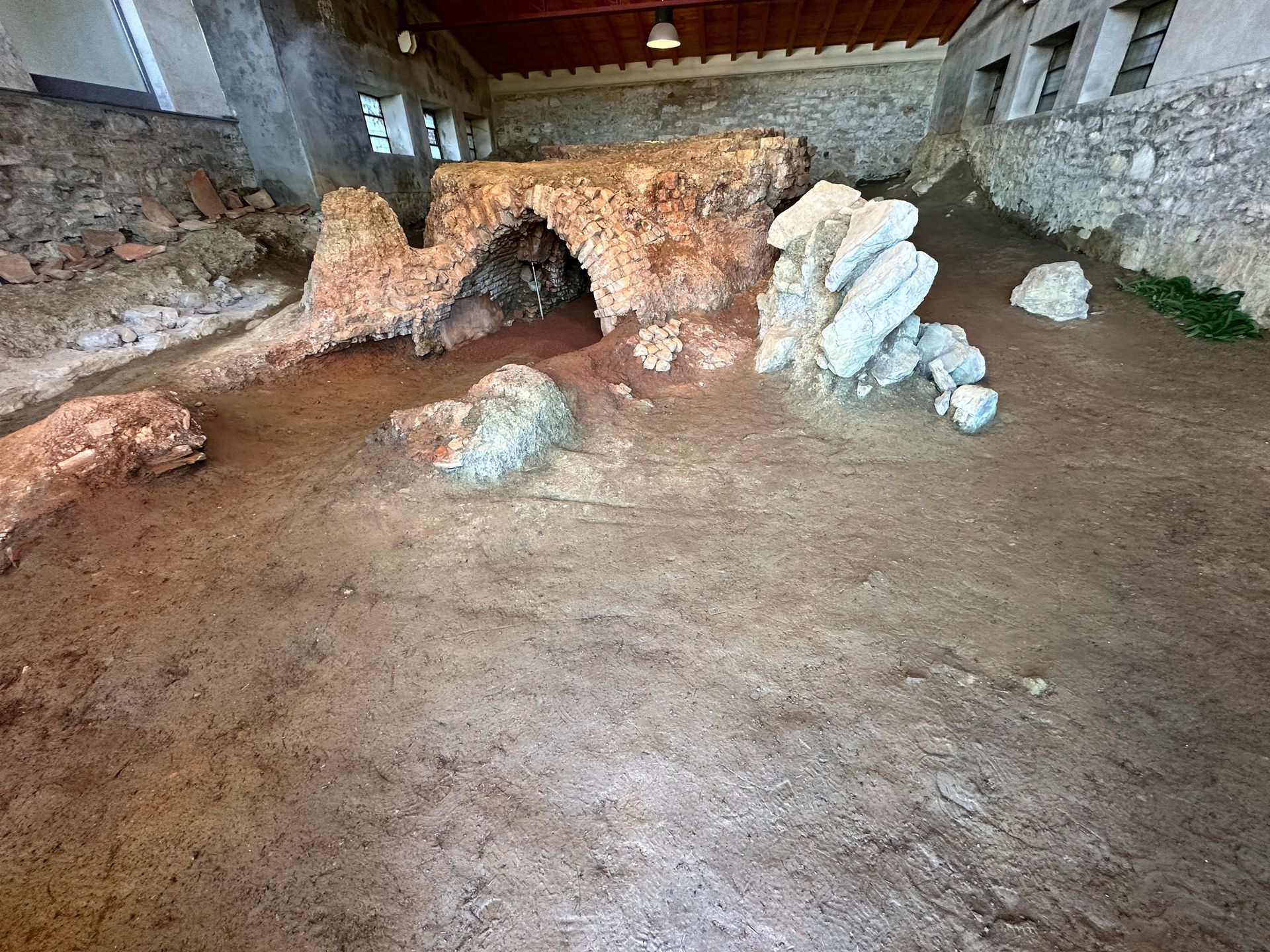
Extraordinary maintenance work at the Roman furnace in Massinigo.
Awarding the contract for the extraordinary maintenance intervention for the removal of moss and weed growth, and cleaning the structure with conservative restoration work at the Roman kiln of Massinigo (PV).
Intervention: Biocide treatment - removal of incoherent residues - Dry cleaning with selective dusting using vacuum cleaners - Localised cleaning with ammonium carbonate in demineralised water applied with sprayers - Rinsing with demineralised water -
In conclusion, we can certify the good state of preservation
COUNTRY CHURCH ISSO (BG)
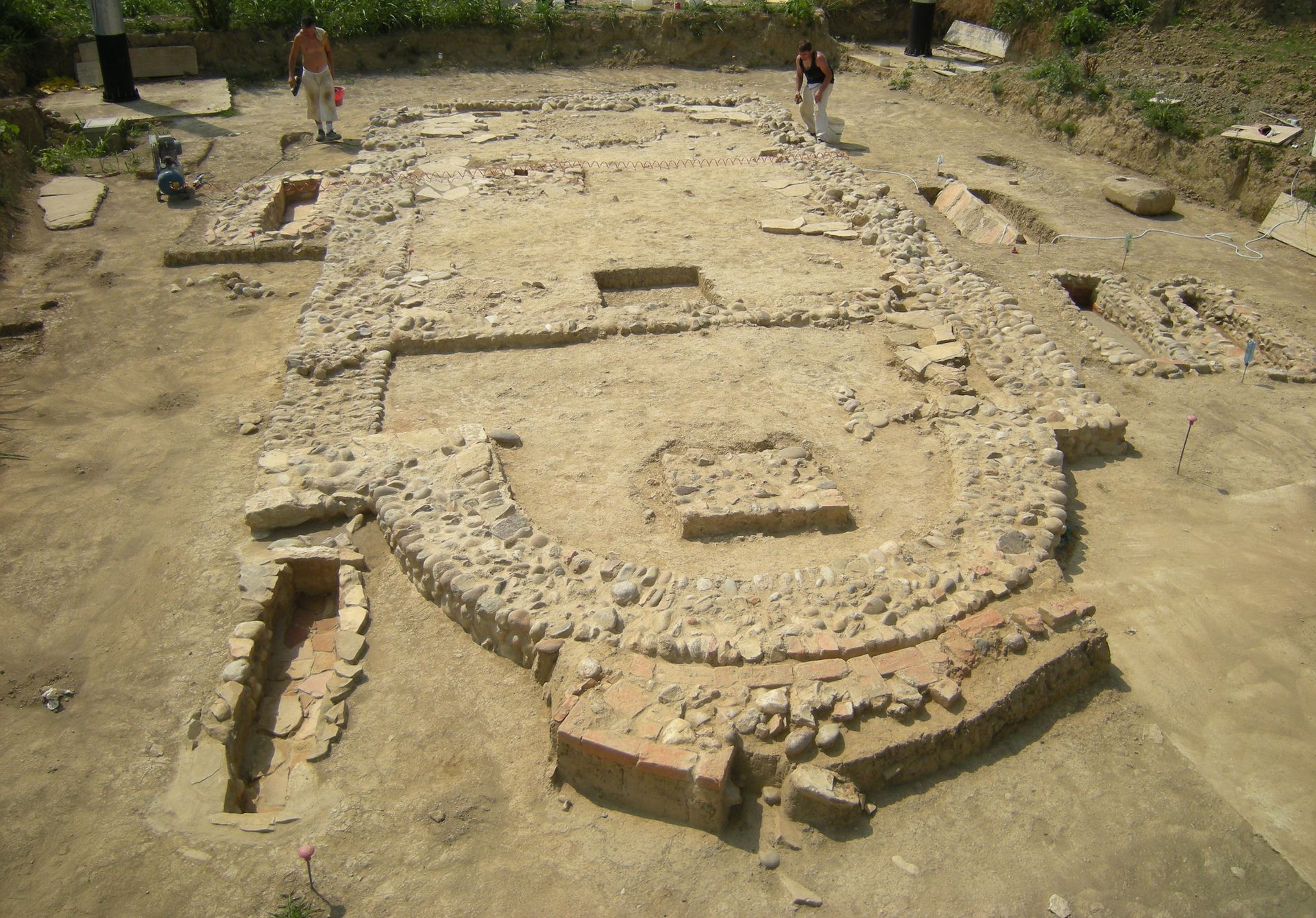
The conservation interventions involved the following architectural elements: the original brick foundations and paving sections of the rural site, which were treated with a 5% Bio-Tin solution in demineralised water to suppress microorganisms such as bacteria, algae, and fungi, both in spore and vegetative forms.
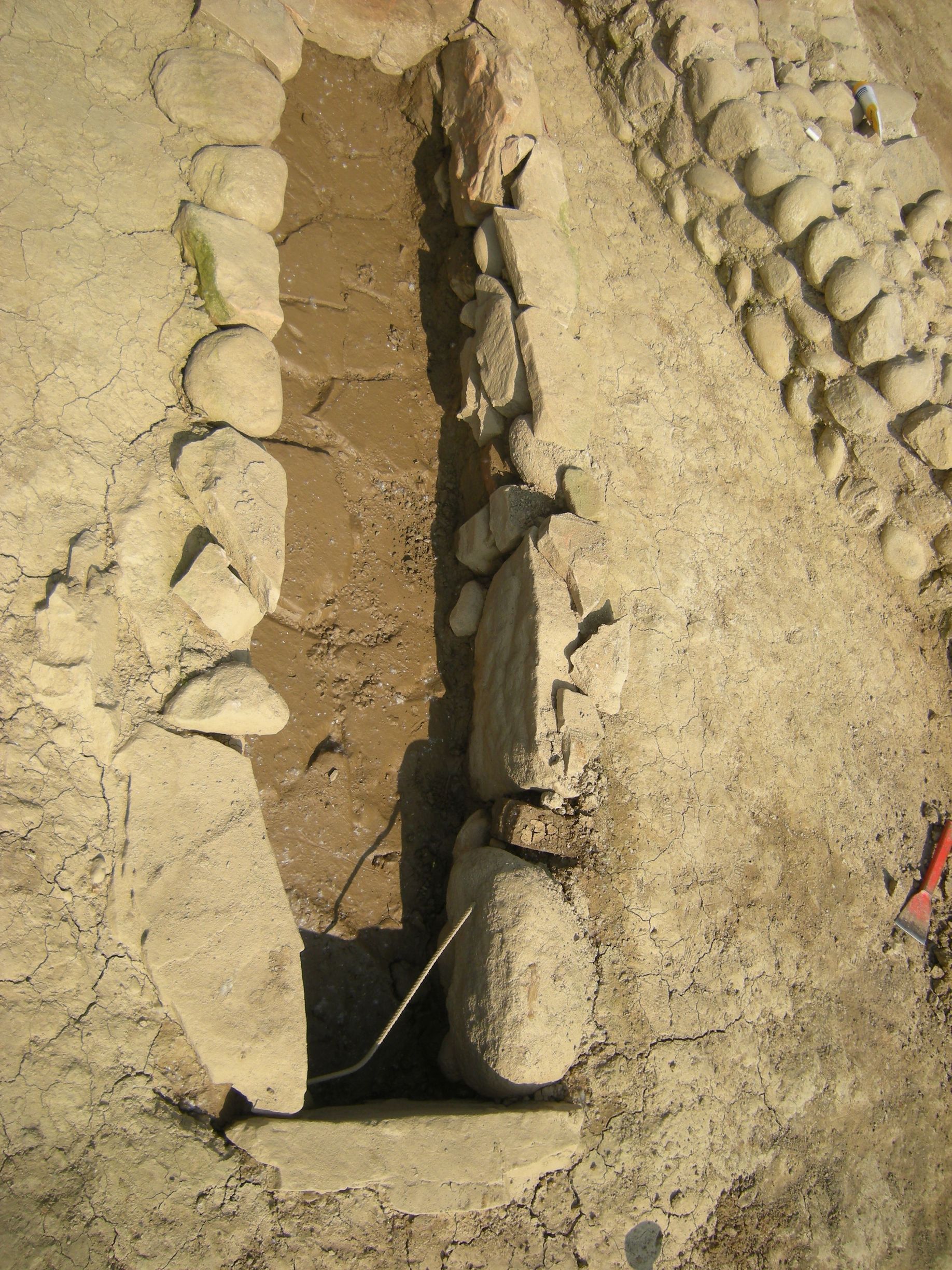
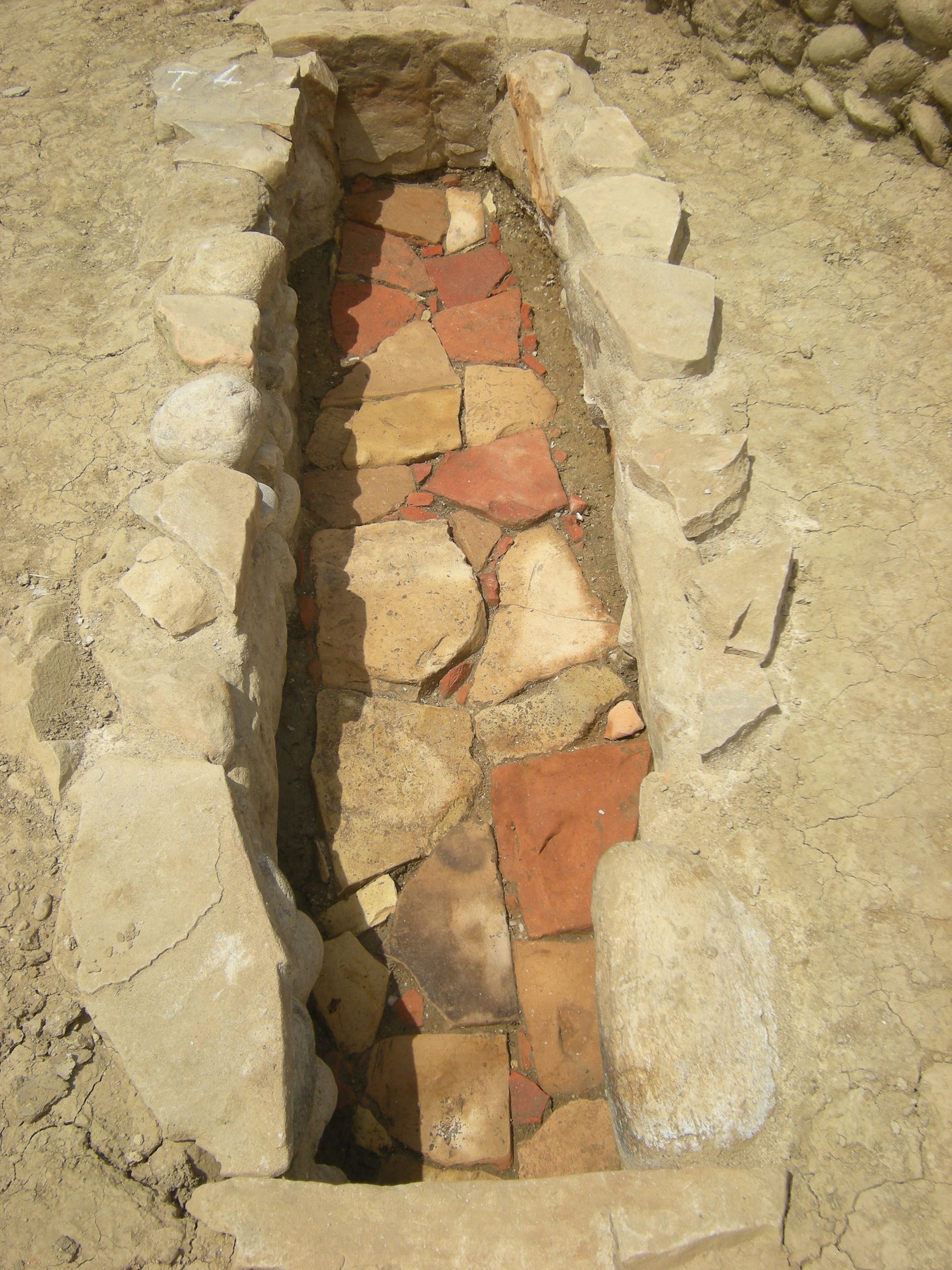
The same bio-detergent treatment was applied to stone fragments from the paving and, above all, to the tombs surrounding the country church.
Cleaning of loose debris was carried out on all structures, including the tombs, using soft-bristled, non-invasive brushes and paintbrushes, including the controlled use of vacuum cleaners.
The restoration work was carried out with the following operations:
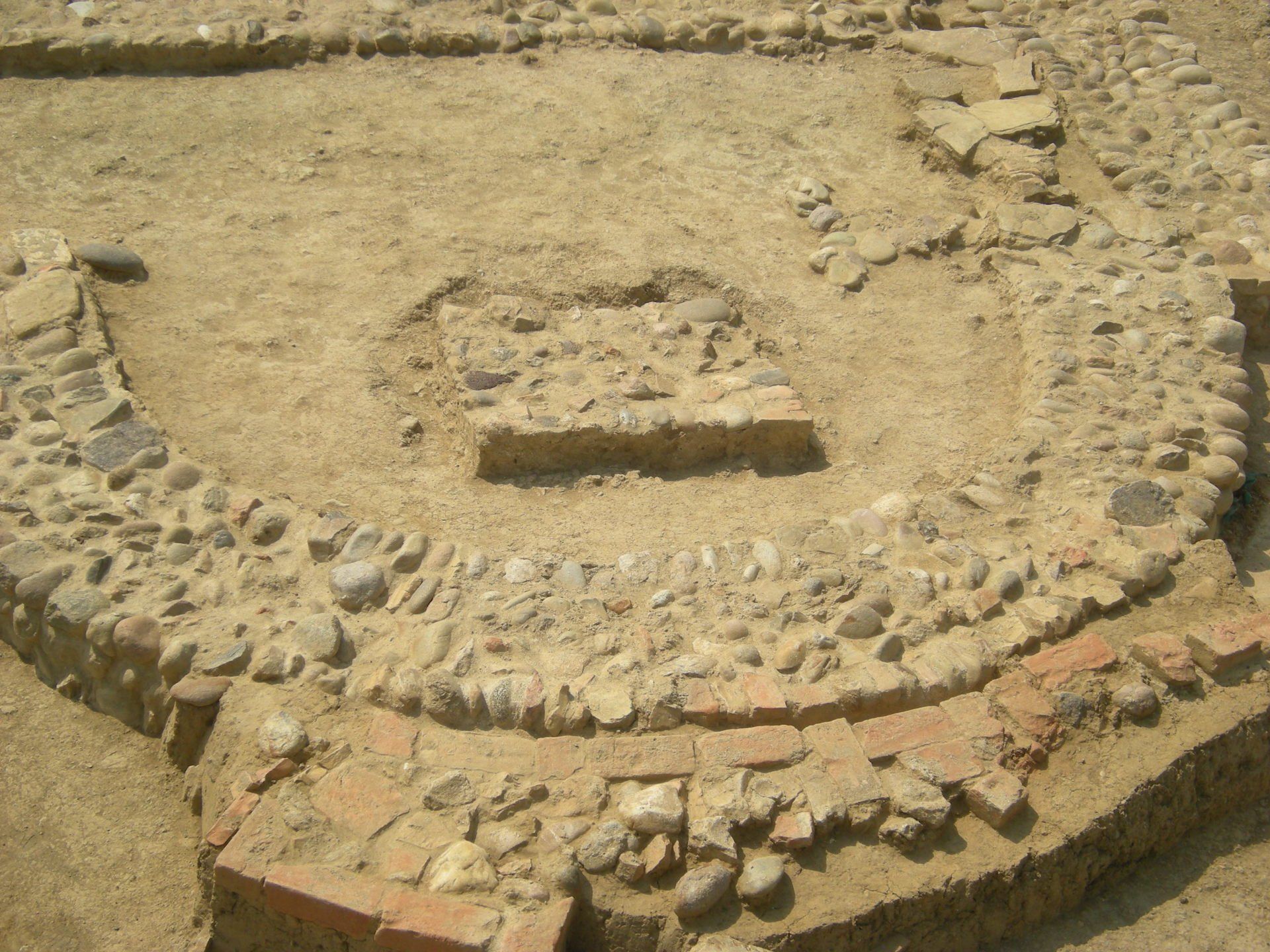
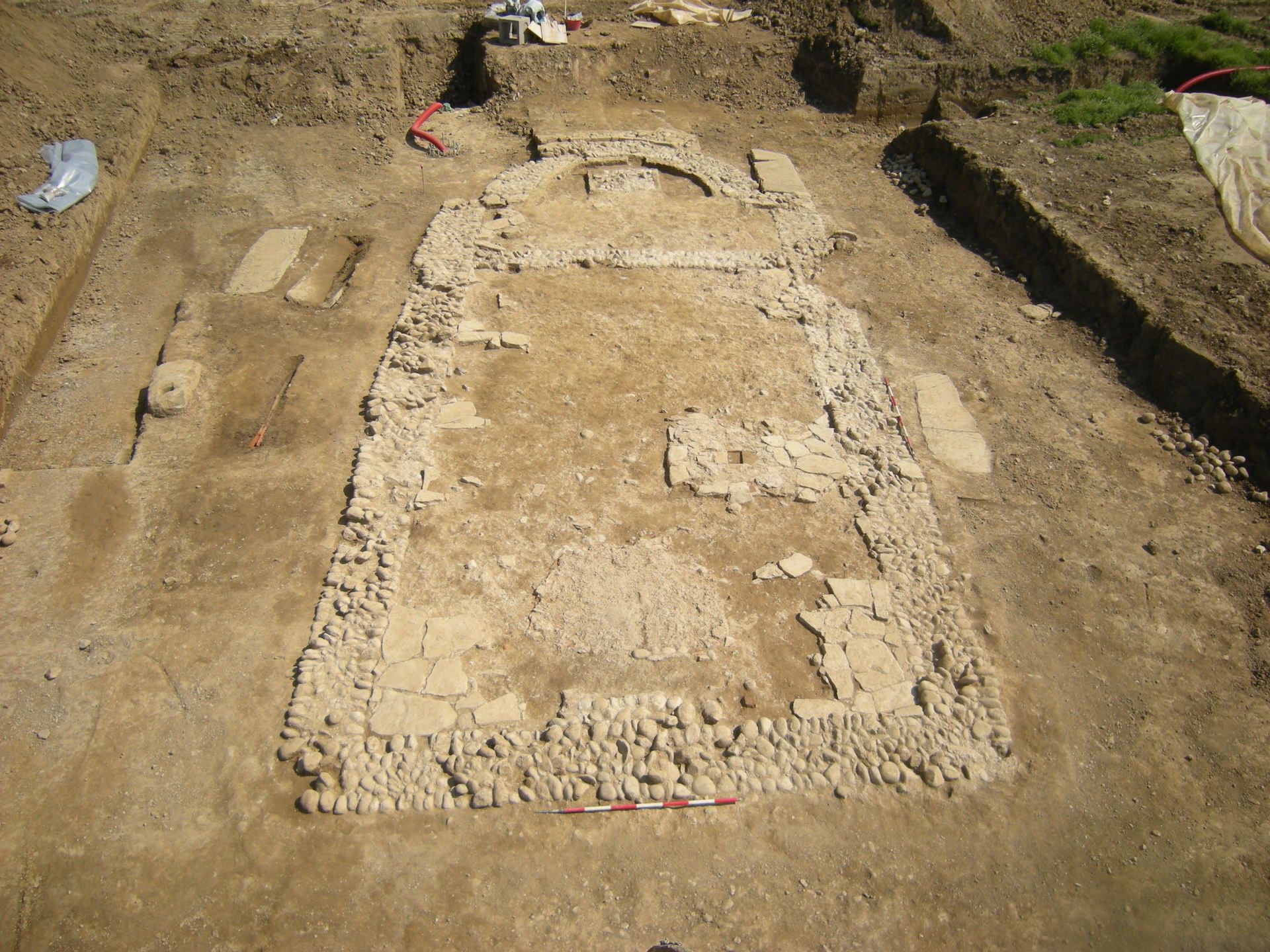
Restoration and consolidation of sections of the masonry courses composed of river pebbles, with the occasional insertion of brick fragments, forming a perimeter composed of a few courses, while still highlighting a clear and legible shape of the original structure. A preliminary and adequate cleaning, softening the layers of soil with low-pressure water, nevertheless allowed for a clearer reading, partially highlighting the chromaticity of the structural elements undergoing restoration.
A second cleaning step with demineralised water mixed with 5% ammonium carbonate allowed for the almost complete removal of the light but tenacious layer of clay silt. A thorough low-pressure rinse, also with salt-free water, concluded the cleaning cycle with excellent results.
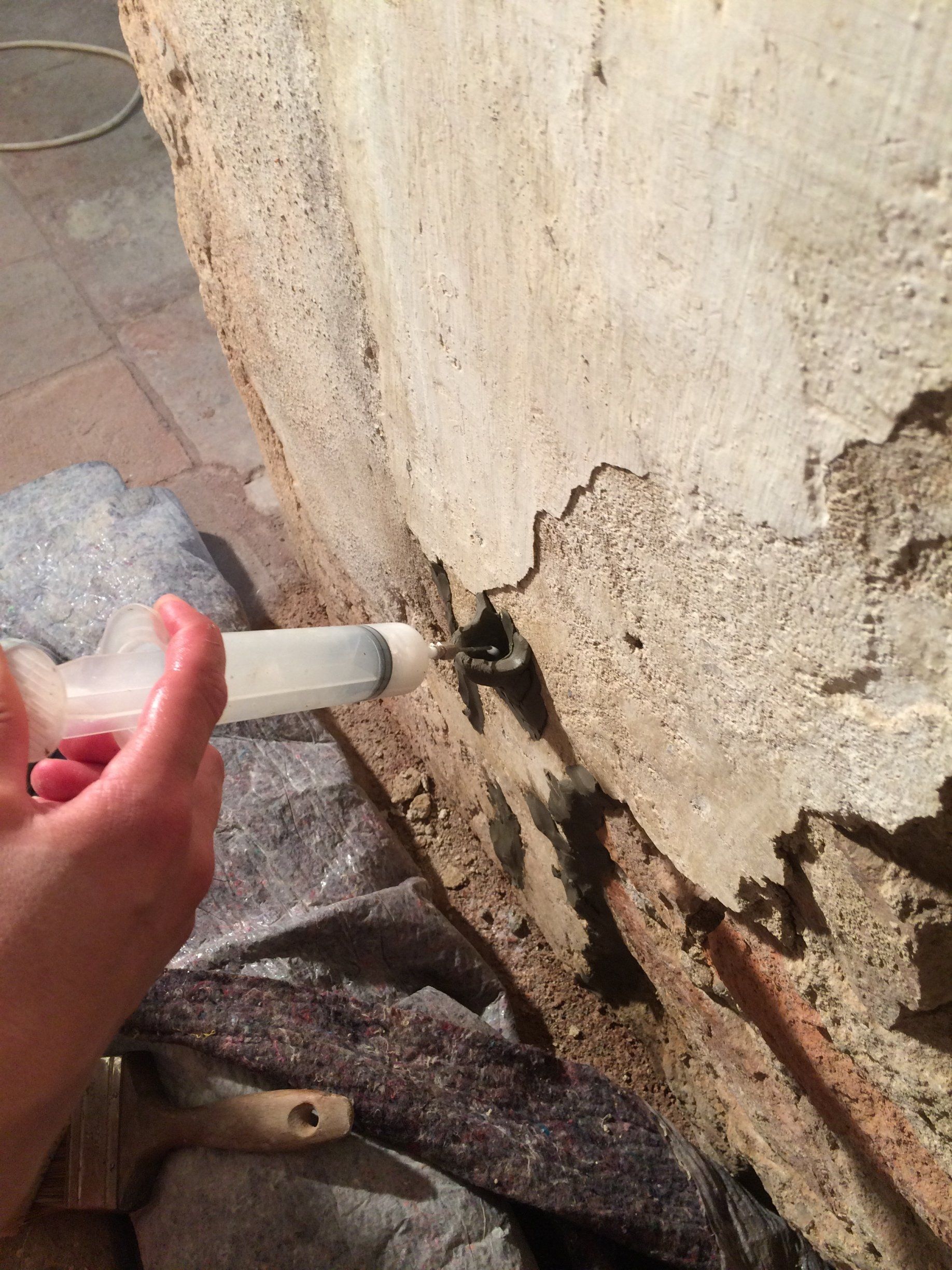
After the general cleaning, assessments begin on the overall condition of the mortars and stones that make up the structure. The situation necessitates the pre-consolidation phase, aiding the original mortars and some fragments of plaster in proper and appropriate preservation. An acrylic consolidant solution is prepared in isopropyl alcohol to aid penetration between the interstices. This solution was applied using soft brushes and targeted injections where the disintegration was more significant. These operations were repeated multiple times with intervals of thirty-six hours per pass. After the pre-consolidation operations were completed, the structural consolidation interventions were evaluated.
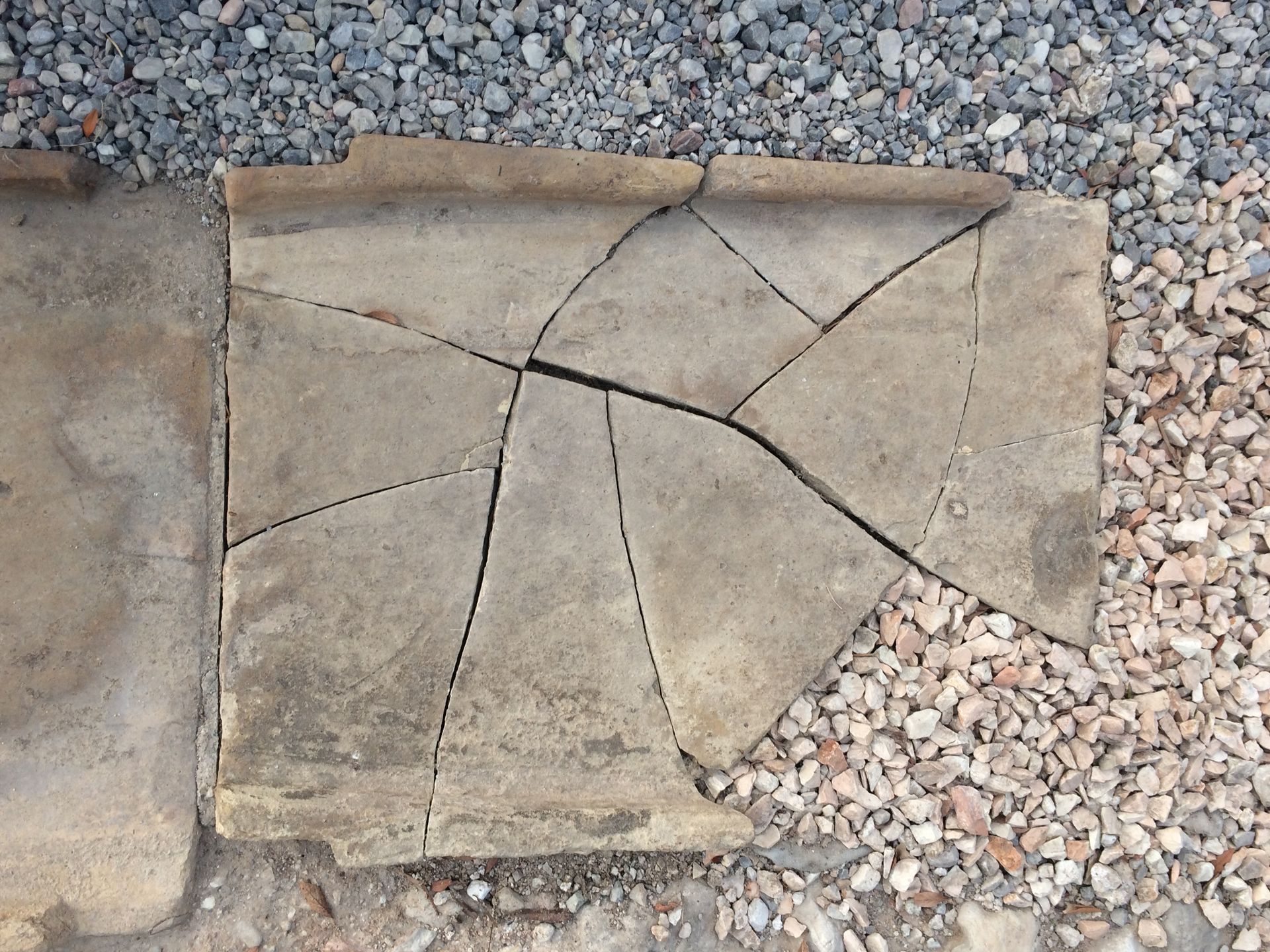
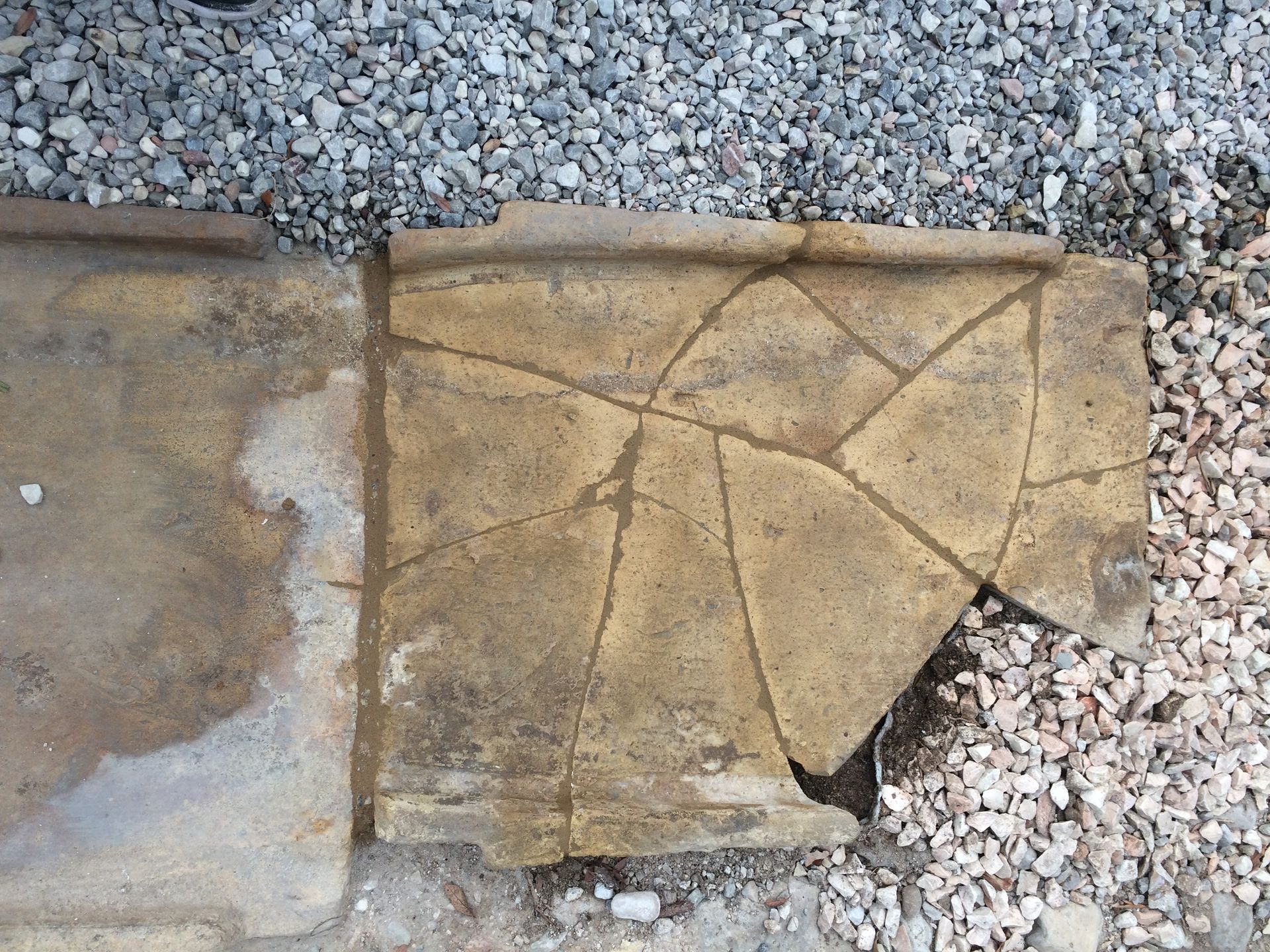
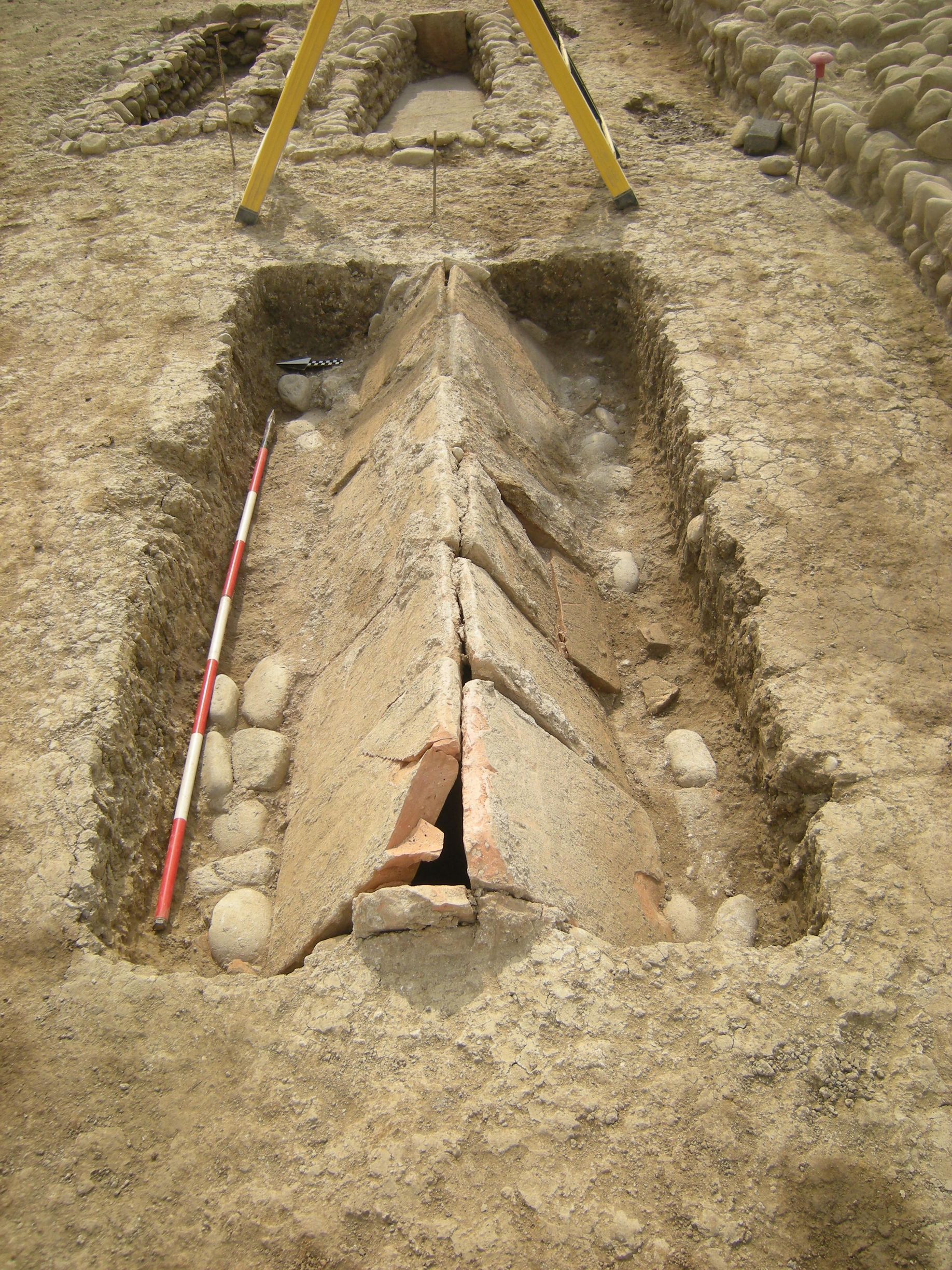
A partial reconstruction of some sections of the structure, with particular reference to some gaps mainly due to natural causes or later interference, has made the perimeter reading more evident. In the intervention, the original stones found in the excavation area were reused. Their relocation was made possible with the aid of mortars compatible with the originals, only after careful checks with preliminary samples. Another contemporary phase of restoration involved the four box tombs and a capuchin tomb located in the perimeter area of the country church. Cist graves are composed of perimeter stone blocks with a bottom made of randomly arranged pieces of brick, and roughly finished sandstone slabs serve as a lid. The Capuchin tomb, composed of twelve opposing brick pieces, emerges after excavation in its characteristic architectural form. For them too, the most important restoration phases were the cleaning of the clay residue, which, given their location, had obviously penetrated, covering everything for at least a few centimetres. The structure of the internal voussoirs did not show any particular damage, except for a visible need for urgent consolidation to adequately bind the voussoirs with the original bedding mortars. Exactly similar operations, already described for the main structure, were carried out: washing and rinsing with demineralised water using sponges, gradually removing the muddy residues from the water and from brushes used mechanically to remove the larger clumps. Only after the coffered tombs were perfectly dried did the work of stitching the mortar between the blocks, which had disintegrated due to the normal action of natural agents, begin. For the hood, after the base was properly cleaned, the bricks were repositioned exactly in their original location following a brief but intensive restoration in a laboratory where the intervention allowed for anti-salt treatment of the artefacts. Subsequently, pre-consolidation preceded the reassembly of some severely cracked elements, which were reassembled with stainless steel dowels secured with transparent vertical epoxy mastic. These interventions then focused on the three sandstone tombstones, which were also cleaned and pre-consolidated before moving on to the important phase of consolidation with stainless steel threaded rods. Finishing plastering completed the phase.
VILLA DEI NORII ARRII
Toscolano Maderno (BS)
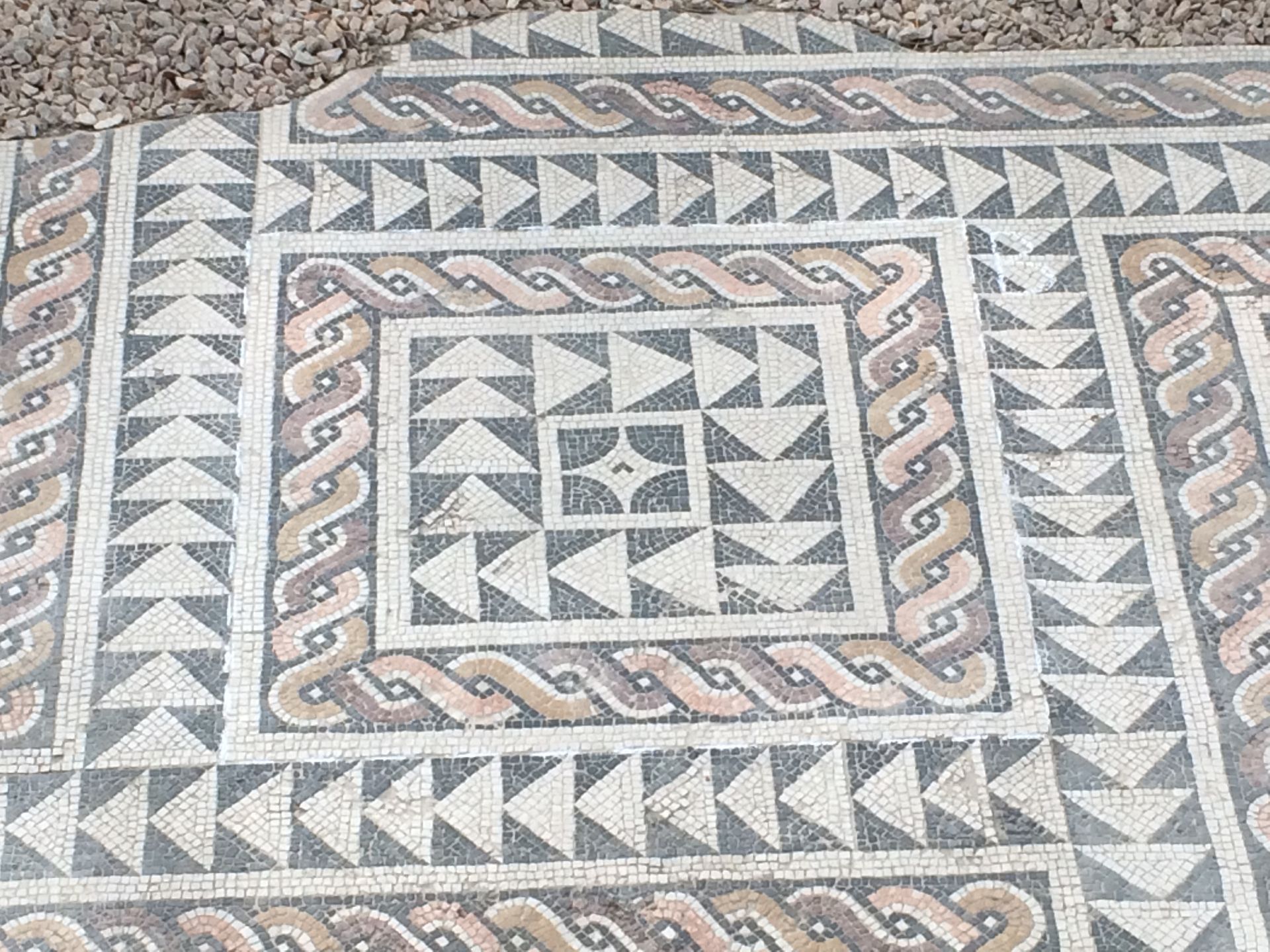
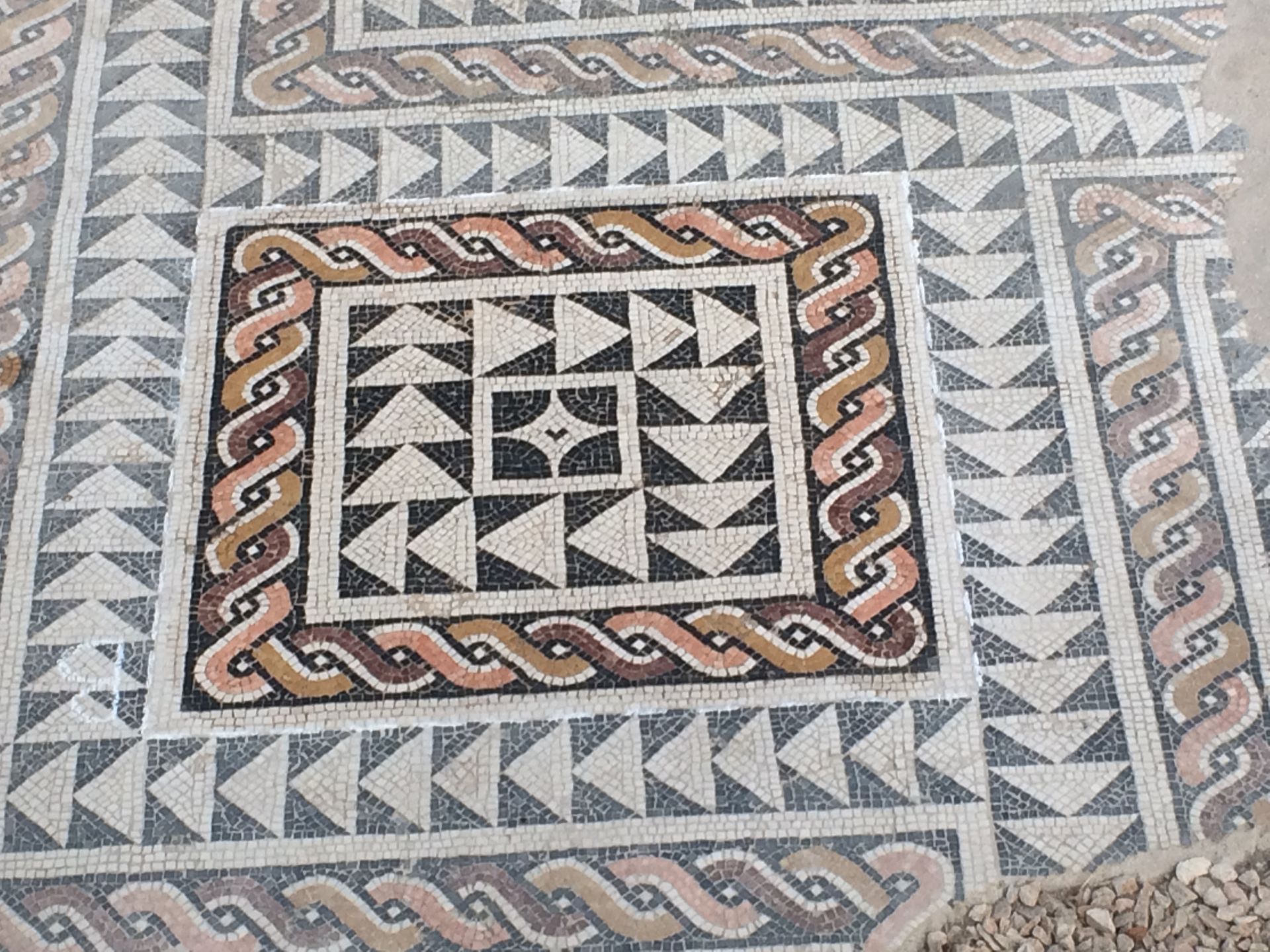
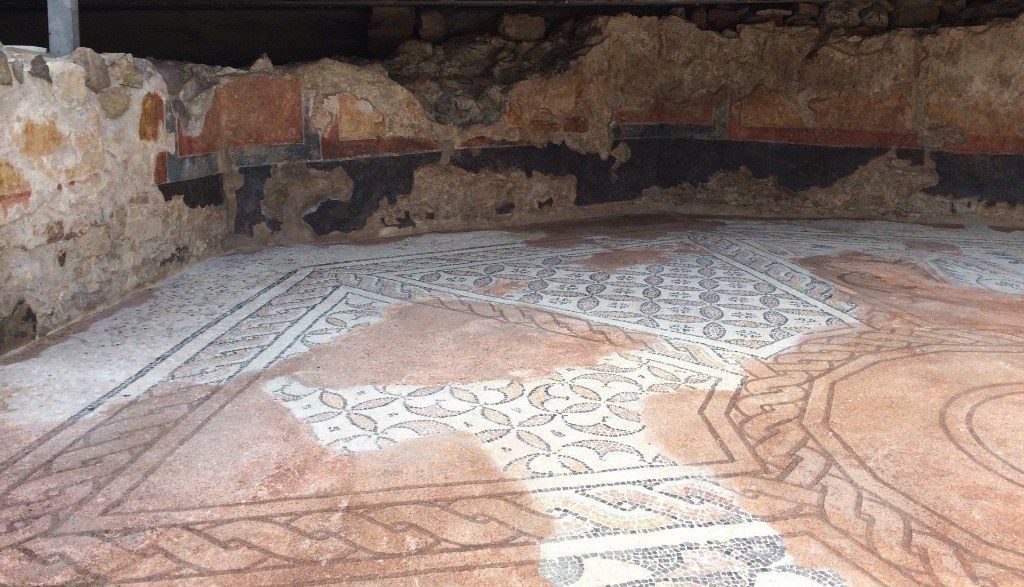
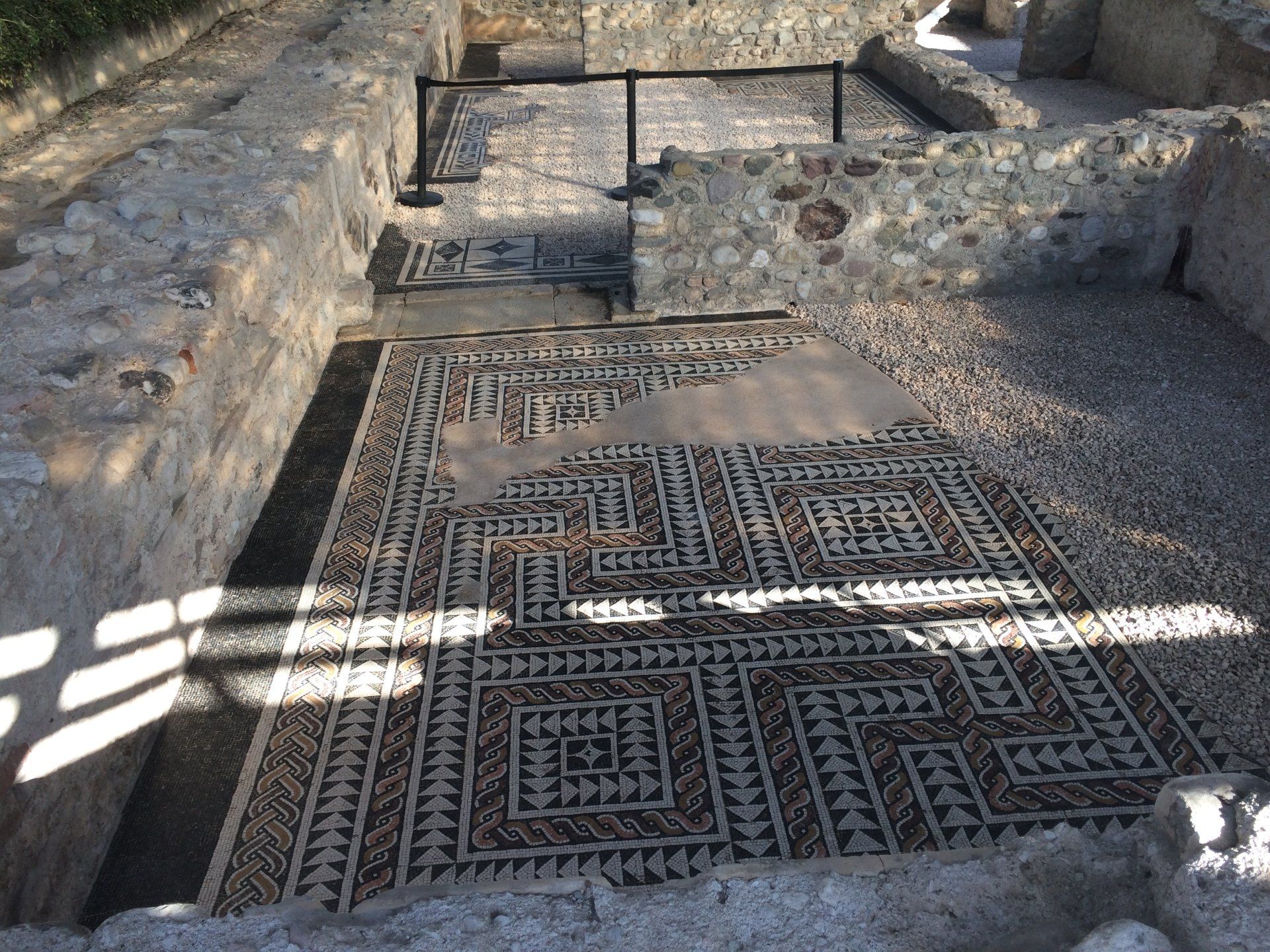
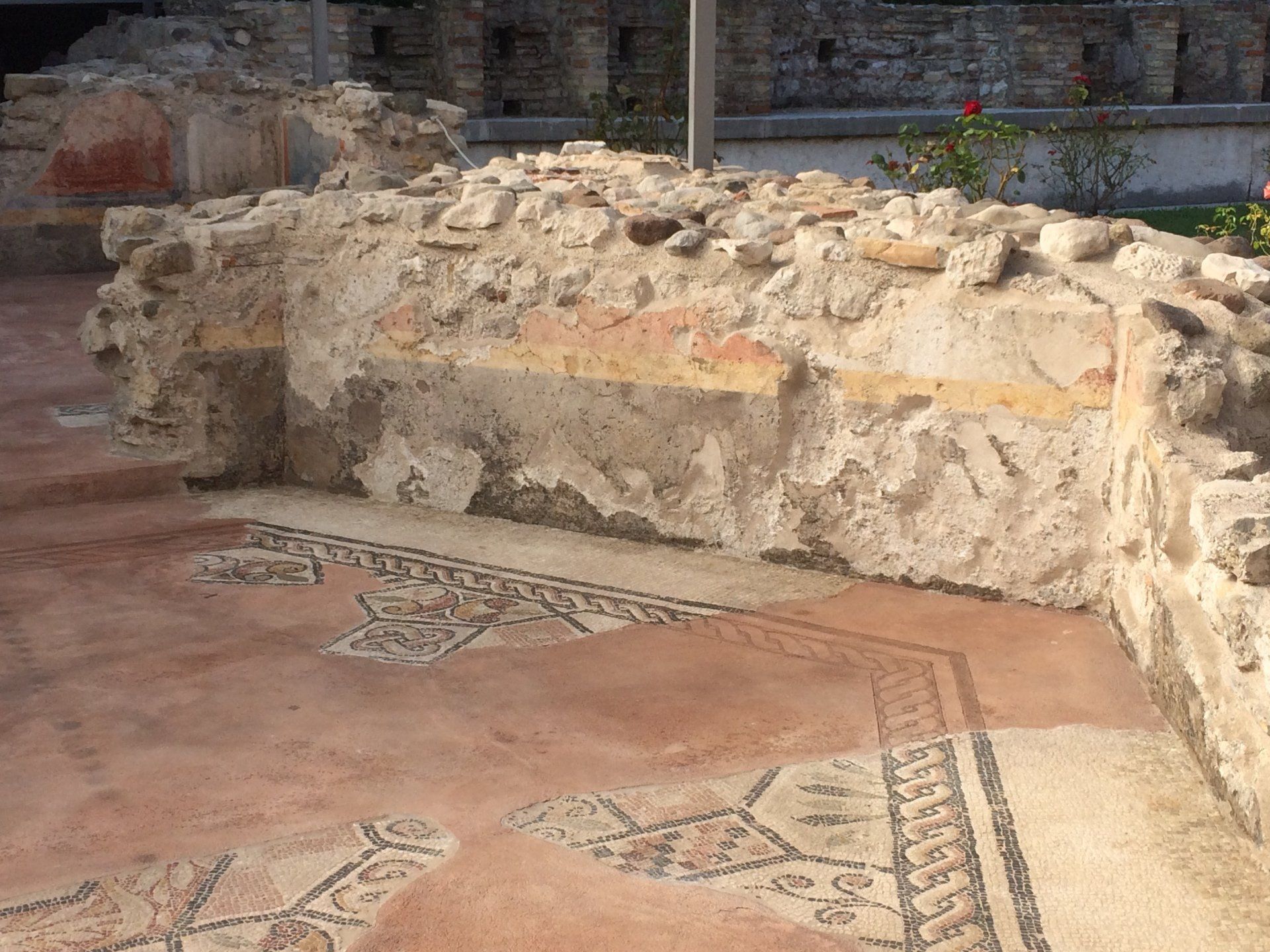
The villa in Toscolano Maderno has only been partially excavated, although recent investigations have clarified the overall layout. The villa, built in the 1st century AD, underwent interventions and transformations in the following centuries until the beginning of the 5th century AD. A phase of great architectural significance is the one dating between the end of the 1st and the first half of the 2nd century AD. During this period, it probably belonged to a member of one of the most important families in Brescia, Marco Nonio Macrino, consul in 154 AD, whose inscription dedicated to his wife Arria was discovered in the 17th century in the area of the building. The part visible today includes several rooms, some of which still retain large sections of painted plaster and mosaic floors with geometric patterns, using only black and white tiles or with limited use of colored tiles as well. These rooms were accessed from a long, only partially excavated space that still retains parts of the painted plaster. In its initial phase, the space had two exedrae along the northern side, which were later closed off.
We attended a biocide treatment on the museum path walls, dusting followed by poulticing of the mosaic surfaces.
We provided the consolidation in some areas, such as deteriorated fenders exposed to the weather and wear and tear over time,not optimal or suitable for the preservation of the artefacts and archaeological site due to the lake's changing climate.
the grouting was carried out using suitable materials based on hydraulic limes with selected aggregates.
Intervention also on the plastering and fenders, and some sections of the masonry along the path.
Regarding the mosaic tile section, no interventions were carried out, only cleaning to restore the visual enjoyment of the artefact.
The conservation intervention has interested also the mosaic pavement.